
.jpeg)
Which three groups of people should not use nintedanib/Vigat and why?
Nintedanib is a multi-target tyrosine kinase inhibitor that is widely used to treat idiopathic pulmonary fibrosis (IPF), systemic sclerosis-associated interstitial lung disease (SSc-ILD), and other chronic fibrosing interstitial lung diseases (ILDs). Although the drug has shown significant efficacy in slowing the decline of lung function, not all patients are suitable for it. In general, there are three groups of people who should use nintedanib with caution or avoidance because they may be more susceptible to serious side effects or pharmacokinetic abnormalities.
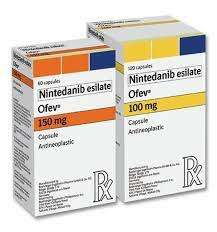
First of all, people with moderate to severe liver function impairment should not use nintedanib. The drug is mainly metabolized by the liver in the body and eliminated through the CYP enzyme system and esterase hydrolysis pathways. For patients with moderate or severe liver damage, the drug clearance rate decreases and the blood drug concentration increases significantly, which can easily lead to elevated transaminases, abnormal bilirubin and even drug-induced hepatitis. Studies have shown that the exposure of patients with liver dysfunction can be more than twice that of normal people, thus aggravating toxic reactions.
Secondly, pregnant and breastfeeding women should not use nintedanib. Animal experiment results suggest that the drug has potential embryotoxicity and teratogenic risks. It inhibits a variety of angiogenic signaling pathways, such asVEGFR and FGFR, and these pathways are crucial for embryonic development and placental formation. Interference may lead to fetal development retardation or miscarriage. In addition, nintedanib can enter the baby's body through breast milk secretion, and it is unclear whether it will cause long-term damage to nursing babies.
Third, patients with bleeding tendencies or those who have recently undergone major surgery should avoid its use. As a VEGFR pathway inhibitor, nintedanib may affect vascular repair and endothelial function, thereby increasing the risk of bleeding, especially in patients undergoing anticoagulant therapy or with a history of gastrointestinal ulcers or cerebrovascular disease. In addition, postoperative tissue repair requires vascular regeneration, and the anti-angiogenic effect of nintedanib may delay wound healing, so medication should be resumed at least two weeks after surgery.
Reference materials:https://en.wikipedia.org/wiki/Nintedanib
[ 免责声明 ] 本页面内容来自公开渠道(如FDA官网、Drugs官网、原研药厂官网等),仅供持有医疗专业资质的人员用于医学药学研究参考,不构成任何治疗建议或药品推荐。所涉药品可能未在中国大陆获批上市,不适用于中国境内销售和使用。如需治疗,请咨询正规医疗机构。本站不提供药品销售或代购服务。


