
.jpeg)
What important information is included in the instructions for Nintedanib/Vigat?
1. Drug overview and indications
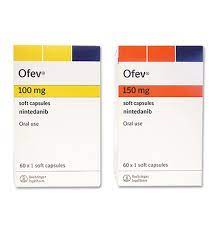
Nintedanib (Nintedanib) is an oral small molecule multi-target tyrosine kinase inhibitor originally developed by Boehringer Ingelheim in Germany. It is used to treat a variety of chronic diseases related to pulmonary fibrosis. The drug has been approved in many countries around the world and is marketed under the trade name "OFEV". Nintedanib is mainly used for three major indications:
(1) Idiopathic pulmonary fibrosis(IPF): This disease is a progressive fibrotic lung disease of unknown cause. Nintedanib can effectively delay the decline of lung function and improve the long-term prognosis of patients.
(2) Chronic fibrotic interstitial lung diseases (ILDs) with progressive phenotype: Nintedanib can inhibit multiple pro-fibrotic signaling pathways and is suitable for various types of progressive fibrotic ILD.
(3) Systemic sclerosis-related interstitial lung disease (SSc-ILD): This drug slows down the decline of lung function in patients with SSc-ILD by interfering with fibroblast proliferation and angiogenesis.
The approval of these indications marks nintedanib as the first oral anti-fibrotic drug covering multiple fibrotic lung disease spectrums and is widely recommended in global clinical guidelines.
2. Usage, dosage and dosage management
The recommended dose of nintedanib is 150 mg twice daily. It needs to be swallowed whole with meals, about 12 hours apart. The maximum daily dose should not exceed 300 mg. Liver function evaluation should be performed before use, and women of childbearing potential should undergo a pregnancy test. If intolerance occurs, the dose can be temporarily reduced to 100 mg twice daily, and then restored to the standard dose after the adverse reactions are relieved. If the patient cannot tolerate even 100 mg, it is recommended to discontinue the drug.
For patients with mild liver impairment, the recommended dose is100 mg twice daily; use is not recommended for patients with moderate to severe liver impairment. In clinical practice, an individualized strategy of "pause-reduce-resume" is usually adopted to balance efficacy and safety.
3. Common adverse reactions and management
The most common side effects of nintedanib during long-term treatment are gastrointestinal discomfort, particularly diarrhea, nausea, vomiting, and abdominal pain. Mild diarrhea can be controlled with fluid rehydration and antidiarrheal drugs; in severe cases, medication can be discontinued for a short period of time. Other common reactions include decreased appetite, weight loss, elevated liver enzymes, headache, and fatigue. Occasionally serious events such as gastrointestinal perforation, bleeding, arterial thromboembolism (including myocardial infarction), etc. should be treated immediately. Post-marketing surveillance also found adverse reactions such as drug-induced liver injury, proteinuria, thrombocytopenia, rash and pruritus. It is recommended to regularly monitor liver function indicators and coagulation function during treatment. If transaminases are significantly elevated, medication should be suspended and the dose adjusted.
4. Storage and drug stability
Nintedanib needs to be stored20°C to 25°C (68°F to 77°F), with a temporary deviation of 15°C to 30°C allowed. Direct sunlight, high temperature and humid environment should be avoided. It is recommended to keep it sealed when repackaging. Exposure of the drug to high humidity may cause tablet failure, so it should be stored in a dry and cool place.
5. Medication precautions for special groups
1. Women and patients during childbearing period: Animal experiments show that nintedanib may cause fetal damage, so it is contraindicated during pregnancy. Women of childbearing age should take effective contraceptive measures before, during and within three months after stopping the medication. Since the drug may be excreted in breast milk, lactating women should avoid its use.
2. Smokers: The exposure of nintedanib in the body of smokers is significantly reduced, which affects the efficacy. Patients are advised to quit smoking before treatment and remain smoke-free during the course of treatment to ensure stable drug blood concentrations.
6. Mechanism of action and pharmacological characteristics
Nintedanib blocks signaling pathways related to fibrosis by simultaneously inhibiting multiple receptor tyrosine kinases (RTKs) and non-receptor tyrosine kinases (nRTKs). Its main targets include:
Platelet-derived growth factor receptor (PDGFR-α/β)
Fibroblast growth factor receptor (FGFR1-3)
Vascular endothelial growth factor receptor (VEGFR1-3)
Colony stimulating factor receptor (CSF1R) and Fms-like tyrosine kinase 3 (FLT-3)
Nintedanib interacts with these kinasesCompetition for ATP binding sites inhibits downstream signal transduction, reduces abnormal proliferation and matrix deposition of fibroblasts, and thereby delays the progression of lung tissue fibrosis. In addition, nintedanib also inhibits non-receptor tyrosine kinases such as Lck, Lyn and Src. Although the direct relationship between this inhibitory effect and the efficacy of pulmonary fibrosis has not been fully elucidated, it may be involved in regulating immune and inflammatory responses and improving the lesion microenvironment.
Nintedanib has become an important therapeutic drug for idiopathic pulmonary fibrosis and various interstitial lung diseases due to its broad-spectrum anti-fibrotic effect. Its multi-target mechanism enables it to intervene in multiple aspects of fibrosis, from angiogenesis to extracellular matrix remodeling. With in-depth international research on the mechanism of pulmonary fibrosis, nintedanib is being explored for use in other fibrotic diseases, such as liver fibrosis and radiation-induced lung injury. Overall, nintedanib provides new treatment hope for patients with chronic fibrosing lung disease with its controllable adverse reactions and precise efficacy.
Reference materials:https://en.wikipedia.org/wiki/Nintedanib
[ 免责声明 ] 本页面内容来自公开渠道(如FDA官网、Drugs官网、原研药厂官网等),仅供持有医疗专业资质的人员用于医学药学研究参考,不构成任何治疗建议或药品推荐。所涉药品可能未在中国大陆获批上市,不适用于中国境内销售和使用。如需治疗,请咨询正规医疗机构。本站不提供药品销售或代购服务。


