
.jpeg)
Alternative drugs that can be replaced after resistance to lorlatinib/lorlatinib (borina)
Lorlatinib/ Lorlatinib ( Lorlatinib) is a third-generation ALK inhibitor. Although it has shown clinical efficacy in patients with early-stage drug resistance, as the treatment time is prolonged, some patients with non-small cell lung cancer may develop drug resistance. This usually manifests as re-progression of the disease, including an increase in tumor size, the appearance of new lesions, or an accelerated progression of existing lesions. The resistance mechanism may involve secondary mutations in the ALK gene, activation of alternative signaling pathways, or changes in drug pharmacokinetics.
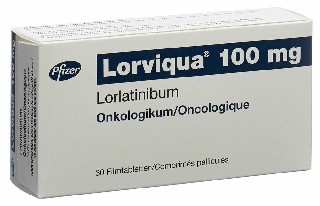
For patients who are resistant to lorlatinib, several alternative strategies can be considered clinically. First, based on the molecular test results, doctors may choose other targeted drugs or combination treatments. For example, for ALK-positive patients with specific secondary mutations, some second-generation or first-generation ALK inhibitors can still be used in specific circumstances, but the efficacy is usually lower than lorlatinib. Secondly, multi-target inhibitors or combination chemotherapy regimens are also one of the clinical options, especially for patients with multiple gene mutations or rapid disease progression.
In recent years, immunotherapy has also been explored for drug-resistant patients with ALK-positive NSCLC. PD-1/PD-L1 inhibitors are used alone or in combination with chemotherapy. Although the response rate is relatively limited in the ALK-positive group, they can delay disease progression in individual drug-resistant patients. In addition, a new generation of ALK inhibitors is under development, optimized for existing resistance mutation sites, and may become an effective alternative to lorlatinib in the future.
In addition to drug substitution, clinicians will also consider local treatment strategies, such as radiotherapy or surgical intervention for brain metastases or single lesions, which can be combined with systemic treatments to achieve better disease control effects. In short, after lorlatinib resistance, the selection of alternative drugs needs to be based on molecular test results, the patient's overall health status, and the speed of disease progression, and the treatment plan should be formulated.
References:https://www.lorbrena.com/
[ 免责声明 ] 本页面内容来自公开渠道(如FDA官网、Drugs官网、原研药厂官网等),仅供持有医疗专业资质的人员用于医学药学研究参考,不构成任何治疗建议或药品推荐。所涉药品可能未在中国大陆获批上市,不适用于中国境内销售和使用。如需治疗,请咨询正规医疗机构。本站不提供药品销售或代购服务。


