
.jpeg)
Which alternative drugs should be chosen for treatment after furmonertinib resistance?
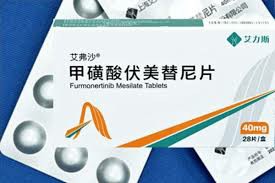
Furmonertinib (furmonertinib) is a drug that targets EGFR mutation-positive non-small cell lung cancer (NSCLC). The third-generation tyrosine kinase inhibitor (TKI) developed by researchers has a significant effect in initial treatment for patients with T790M mutations and other EGFR sensitive mutations. However, with long-term use, some patients may develop drug resistance, leading to disease progression. In this case, appropriate alternative drugs or combination treatment strategies need to be selected based on the resistance mechanism to delay the progression of the disease.
If the occurrence of resistance is associated with new EGFR mutations (such as the C797S mutation), new generation or experimental EGFR inhibitors may be considered. Some third-generation EGFR-TKIs cannot overcome C797S resistance, but in clinical trials, some fourth-generation EGFR inhibitors are being developed for patients with C797S mutations. In addition, for drug resistance that occurs on the basis of original EGFR sensitive mutations, drugs with different mechanisms can be combined for treatment, such as combined anti-EGFR monoclonal antibodies (such as cetuximab) to increase the inhibitory effect.
For patients whose resistance mechanisms are related to activation of alternative pathways (such as METamplification, HER2amplification or PI3K/AKT pathway activation), combined targeted therapy can be considered. For example, patients with METamplification can be combined with MET inhibitors (such as capmatinib or crizotinib); patients with HER2amplification can try HER2 targeted drugs. Such combination regimens aim to overcome drug resistance mediated by bypass signaling and improve treatment response rates.
For patients with multiple drug resistance mechanisms or who cannot be effectively controlled by targeted drugs, chemotherapy or immunotherapy can be switched. Platinum-based combination chemotherapy is still an important option for advanced NSCLC. Some patients can also try immune checkpoint inhibitors (such as PD-1/PD-L1 antibodies), especially if PD-L1 expression is positive. Based on the patient's physical status and previous medication history, doctors will individually select a chemotherapy regimen or immune combination therapy to optimize efficacy and safety.
Reference materials:https://www.drugs.com/
[ 免责声明 ] 本页面内容来自公开渠道(如FDA官网、Drugs官网、原研药厂官网等),仅供持有医疗专业资质的人员用于医学药学研究参考,不构成任何治疗建议或药品推荐。所涉药品可能未在中国大陆获批上市,不适用于中国境内销售和使用。如需治疗,请咨询正规医疗机构。本站不提供药品销售或代购服务。


