
.jpeg)
Precautions and scientific and safe medication guidelines for the use of DaliRasheng (Keweike)
Daridorexant is a new dual orexin receptor antagonist (DORA drug), mainly used to treat adult insomnia. It is characterized by being able to improve patients' difficulty falling asleep and maintaining sleep, while having little impact on the function of the next morning. As a newly marketed sleep drug, Dalilaysan has good efficacy and safety in clinical use. However, in order to maximize its efficacy and reduce risks, patients must strictly abide by scientific and safe medication guidelines during use. The following describes in detail the aspects of pre-medication assessment, correct usage, potential adverse reactions and drug interactions, and medication precautions for special groups.
First of all, before using Dalilera, a doctor should conduct a comprehensive assessment of the patient's insomnia type, course, comorbid diseases, and medication history. DaliRasen is suitable for adults suffering from chronic insomnia, especially those who have long-term difficulty falling asleep or who wake up frequently at night. Secondary insomnia caused by mental illness, pain, environmental factors, drugs, etc. should be ruled out before use. If insomnia is due to an underlying condition, treatment of the underlying condition should be prioritized over direct sedative-hypnotic medications. In addition, Dalilaysan is a prescription drug and patients cannot purchase it by themselves and must take it under the guidance of a doctor. For elderly patients and those with hepatic insufficiency, doctors also need to evaluate the pharmacokinetic characteristics and decide whether the dose needs to be adjusted to reduce the risk of accumulation.
Secondly, the medication regimen of DaliRasen needs to be strictly followed. The clinically recommended conventional dose is 25 mg or 50 mg, taken orally 30 minutes before going to bed every night. It is recommended to take it when ensuring at least 7 hours of sleep. Patients should avoid driving, operating machinery and other activities that require high concentration after taking the medicine to prevent accidents. DaliRasen should not be used simultaneously with alcohol or other sedative-hypnotic drugs to avoid excessive depression of the central nervous system. In addition, you should try to maintain a regular schedule while taking the medication, avoid excessive caffeine intake at night, and practice good sleep hygiene habits to improve the efficacy. If the patient does not see significant improvement during the medication, he should not increase the dosage or frequently change the medication on his own, but should follow up with a follow-up consultation in time so that the doctor can evaluate the cause and make adjustments.
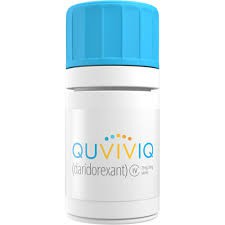
Third, you need to be alert to potential adverse reactions and drug interactions when using DaliRax. Common adverse reactions include drowsiness, headache, fatigue, dizziness, etc. Symptoms are generally mild and can be relieved over time. Some patients may experience a slight decrease in attention the next day, so it is recommended that the initial medication be scheduled on a rest day to observe their own reaction. Less common conditions that require attention include abnormal dreams, sleep behavior disorders (such as sleepwalking), mood swings, etc. If severe reactions occur, you need to stop taking the drug immediately and seek medical treatment. In terms of drug interactions, dalirasin is metabolized by CYP3A4. When combined with potent CYP3A4 inhibitors (such as ketoconazole, clarithromycin) or inducers (such as rifampicin), it will affect the blood concentration of the drug, and the dose needs to be adjusted or combined use should be avoided. At the same time, concomitant use with other central nervous system depressants may aggravate the sedation effect, and the risk should be carefully evaluated.
Finally, special groups of people should pay special attention when using DaliRasen. Elderly patients are more sensitive to drugs and are more prone to risks such as drowsiness and falls, so it is recommended to start with a low dose and gradually adjust. Patients with moderate hepatic impairment need to reduce the dose or extend the dosing interval, while patients with severe hepatic impairment are not recommended to use this drug. There is a lack of sufficient clinical data for pregnant and lactating women and it is recommended to avoid its use; if treatment is indeed necessary, it should be decided after a doctor weighs the pros and cons. For patients with a history of drug abuse or dependence, although the risk of dependence is lower than that of traditional benzodiazepines, medication behavior still needs to be closely monitored to prevent long-term overdose. In addition, when stopping the drug, you should follow the doctor's advice and gradually reduce the dose to avoid rebound insomnia or mood swings caused by sudden drug withdrawal.
To sum up, as an innovative dual orexin receptor antagonist, DaliRasen provides a new option for the treatment of insomnia. Its scientific and safe use relies on standardized pre-medication assessment, reasonable administration methods, full understanding of adverse reactions and interactions, and individualized management of special groups. Patients can significantly improve sleep quality and life quality while ensuring safety by taking it according to the prescribed dosage and time under the guidance of a doctor, combined with good sleep hygiene and lifestyle intervention.
Reference materials:https://www.drugs.com/
[ 免责声明 ] 本页面内容来自公开渠道(如FDA官网、Drugs官网、原研药厂官网等),仅供持有医疗专业资质的人员用于医学药学研究参考,不构成任何治疗建议或药品推荐。所涉药品可能未在中国大陆获批上市,不适用于中国境内销售和使用。如需治疗,请咨询正规医疗机构。本站不提供药品销售或代购服务。


