
.jpeg)
The possibility and response of disease recurrence after discontinuation of Platinib (Pujihua)
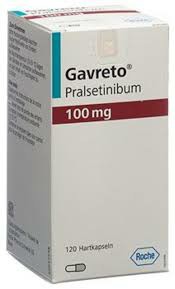
Pralsetinib (Pralsetinib) is a highly selective targeted drug for RET gene fusion-positive tumors. It is commonly used to treat non-small cell lung cancer (NSCLC) and thyroid cancer and other RET fusion-driven malignant tumors.许多患者在服用普拉替尼后,肿瘤病灶明显缩小,症状得到缓解。然而,一旦停药,部分患者可能面临病情复发或进展的风险,这是临床管理中的重要问题之一。
首先,停药后病情复发的可能性与肿瘤的生物学特性密切相关。 RET Fusion-positive tumors have persistent driver mutations. Once drug inhibition is stopped, the signaling pathway may be reactivated, causing cancer cells to grow and spread rapidly again. In addition, if the tumor has not completely regressed before the patient stopped taking the drug, or there are still minimal residual lesions in the body, these residual lesions may proliferate rapidly after losing drug inhibition, causing clinical relapse.
Secondly, the time to relapse varies from person to person. Some patients develop radiographic progression within weeks or months after stopping the drug, while others maintain a stable condition for a longer period of time.临床经验显示,未经医生指导擅自停药的患者复发风险更高。 Therefore, the discontinuation and treatment course adjustment of platinib should strictly follow the doctor's recommendations. It is usually necessary to evaluate whether the dose can be gradually reduced or discontinued after the imaging and biological indicators have stabilized.
对于停药后病情复发的应对,临床上常采用重新启动普拉替尼治疗的策略。部分患者在复发早期重新用药仍可获得一定疗效。此外,医生还可能根据患者的具体病情考虑联合其他靶向药物或化疗方案,以延缓肿瘤进展。 At the same time, patients should be closely followed up after discontinuation of medication, undergo regular imaging examinations and tumor marker monitoring, detect changes in the condition early, and adjust treatment plans in a timely manner to minimize the impact of recurrence on prognosis.
Reference materials:https://www.drugs.com/
[ 免责声明 ] 本页面内容来自公开渠道(如FDA官网、Drugs官网、原研药厂官网等),仅供持有医疗专业资质的人员用于医学药学研究参考,不构成任何治疗建议或药品推荐。所涉药品可能未在中国大陆获批上市,不适用于中国境内销售和使用。如需治疗,请咨询正规医疗机构。本站不提供药品销售或代购服务。


