
.jpeg)
Analysis of the reasons why some patients are not recommended to take afatinib (Gitari)
Afatinib (Afatinib) is an irreversible ErbB family receptor tyrosine kinase inhibitor (
For patients with moderate to severe hepatic or renal impairment, the metabolism and clearance of afatinib may be significantly affected, leading to accumulation of the drug in the body, thereby increasing the risk of toxicity. Especially for patients with renal insufficiency, since afatinib is mainly excreted through feces and metabolized by the kidneys in a certain proportion, if the renal function is abnormal, the drug concentration is likely to increase, causing adverse reactions such as severe diarrhea, rash, or mucosal inflammation. Therefore, for such patients, doctors usually carefully evaluate whether it is suitable for use, and if necessary, make dosage adjustments or choose other alternative drugs.
The adverse reactions of afatinib are relatively obvious in some patients, such as persistent diarrhea, stomatitis, skin toxicity, and nail inflammation. For patients with poor physical condition, multiple underlying diseases, or poor nutritional status, these side effects may be intolerable and may even lead to discontinuation of the drug. In addition, elderly patients and people with low body weight are more likely to have serious adverse events when using afatinib. Therefore, doctors often consider the patient's overall condition before prescribing and evaluate whether it is suitable to start treatment.
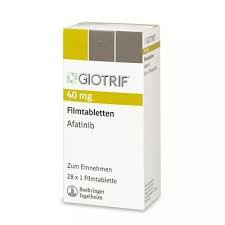
Not all patients withEGFR mutations are suitable for afatinib treatment. For example, some rare mutation types are less sensitive to afatinib and may not be as effective as other new-generation targeted drugs. In addition, if the patient has the T790M resistance mutation, afatinib usually cannot achieve the desired therapeutic effect. At this time, doctors may recommend third-generation TKI drugs such as osimertinib. Therefore, genetic test results and mutation types are also one of the important basis for judging whether to recommend the use of afatinib. Overall, although afatinib has clear efficacy, it is not suitable for all patients, and individualized medication decisions are crucial.
Reference materials:https://www.drugs.com/
[ 免责声明 ] 本页面内容来自公开渠道(如FDA官网、Drugs官网、原研药厂官网等),仅供持有医疗专业资质的人员用于医学药学研究参考,不构成任何治疗建议或药品推荐。所涉药品可能未在中国大陆获批上市,不适用于中国境内销售和使用。如需治疗,请咨询正规医疗机构。本站不提供药品销售或代购服务。


