
.jpeg)
What is the therapeutic effect of F/TAF and a summary of clinical research and patient medication feedback?
1. Introduction and clinical efficacy of TAF (F/TAF)
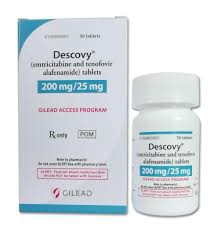
F/TAF (F/TAF) is a fixed-dose combination preparation developed by Gilead, containing emtricitabine (FTC) and tenofovir alafenamide fumarate (TAF), used to treat HIV-1 infection. Compared with traditional TDF (tenofovir disoproxil disoproxil), TAF is more efficiently converted into active metabolites in the body and can release active ingredients in the liver, thereby reducing potential toxicity to the kidneys and bones. Clinical studies have shown that F/TAF is equivalent to traditional treatment options in suppressing viral load and has a better safety profile.
In terms of pre-exposure prophylaxis (PrEP), F/TAF also shows excellent efficacy. Studies have shown that F/TAF is non-inferior to the traditional TDF/FTC regimen in preventing HIV infection, and has more advantages in drug concentration and tolerability. For example, Descovy (F/TAF) has significantly higher concentrations of tenofovir diphosphate (TFV-DP) in peripheral blood mononuclear cells than Truvad a(TDF/FTC), and after stopping the medication, the TFV-DP level of Descovy is maintained longer, providing a more durable protective effect.
2. Clinical research and real-world data
In middle-aged and elderly HIV infected patients, the efficacy and safety of F/TAF have also been verified. The BICSTaR study is an international multi-center observational study that evaluates the effect of switching to B/F/TAF treatment in HIVinfected patients who are ≥50 years old and have a heavy burden of comorbidities and concomitant medication. Research results show that F/TAF can effectively suppress viral load in such patients and is well tolerated, with no obvious safety issues.
In addition, the application of TAF in the treatment of chronic hepatitis B (HBV) has also shown its advantages. Compared with traditional TDF, TAF has similar efficacy in inhibiting HBV virus but has less impact on kidneys and bones, providing a safer treatment option.
3. Patient medication feedback and tolerance
Patient feedback onF/TAF has been generally positive. Due to its lower dosage and better tolerability, many patients reported significantly fewer side effects and improved quality of life after using F/TAF. Common adverse reactions include mild headache, nausea and fatigue, which resolve spontaneously in most patients within a short period of time. Compared with the traditional TDF/FTC regimen, F/TAF has less impact on kidney function and bone density, reducing the risks of long-term medication.
However, some patients experience mild liver enzyme elevations and weight gain after using F/TAF. These adverse reactions usually resolve after dose adjustment or discontinuation of the drug. Therefore, it is recommended to regularly monitor changes in liver function and body weight during use of F/TAF to ensure medication safety.
Dacovide (F/TAF), as a new type of anti-HIV drug, has become one of the preferred treatment options for HIV infected people and pre-exposure prophylaxis people due to its excellent efficacy and safety. F/TAFshows good tolerability and a low risk of side effects, supported by clinical studies and real-world data. Patients should undergo regular examinations under the guidance of a doctor during use, especially monitoring of liver function and weight, to ensure the safety and effectiveness of treatment.
In short, F/TAF provides a safer and more effective treatment option for HIV infected patients, and is worthy of widespread clinical application. As more research is conducted, the scope of application and efficacy of F/TAF may be further verified and expanded.
Reference materials:https://www.drugs.com/
[ 免责声明 ] 本页面内容来自公开渠道(如FDA官网、Drugs官网、原研药厂官网等),仅供持有医疗专业资质的人员用于医学药学研究参考,不构成任何治疗建议或药品推荐。所涉药品可能未在中国大陆获批上市,不适用于中国境内销售和使用。如需治疗,请咨询正规医疗机构。本站不提供药品销售或代购服务。


