
.jpeg)
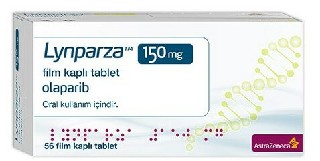
Analysis of the clinical efficacy of Lynparza (Lipzo) in triple-negative breast cancer
Triple-Negative Breast Cancer (TNBC) is a more aggressive subtype of breast cancer with a relatively poor prognosis, accounting for approximately 15%~20% of all breast cancers. Its "estrogen receptor (ER) negative, progesterone receptor (PR) negative, human epidermal growth factor receptor2 (HER2) negative" characteristics make endocrine therapy and HER2 targeted therapy ineffective. At present, chemotherapy is still the main systemic treatment for TNBC, but the overall efficacy is limited, especially in the recurrence or metastasis stage. There are not many drugs available for patients. Improving the median progression-free survival (PFS) and overall survival (OS) is still a huge challenge.
In recent years, with the development of precision medicine and targeted drugs, PARP inhibitors (Poly ADP-Ribose Polymerase inhibitors) targeting the DNA repair pathway have brought new treatment hope to some TNBC patients. Olaparib (Olaparib), as the world's first PARP inhibitor, has shown remarkable efficacy in breast cancer patients carrying BRCA1/2 gene mutations, and has gradually become an important breakthrough in the treatment of TNBC.
Olaparib is an oral PARP inhibitor that inhibits the repair function of PARP enzymes in tumor cells, causing DNA single-strand damage that cannot be repaired and further accumulates into double-strand breaks, thereby inducing tumor cell death. For tumor cells with BRCA1/2 gene mutations, since their own homologous recombination repair pathway is defective, further inhibition of PARP can achieve "synthetic lethality" and produce selective killing.
Clinically, olaparib is mainly used for metastatic breast cancer patients who carry germline BRCA mutations (gBRCAm) and have received chemotherapy, especially in TNBCThe curative effect is particularly outstanding among the population. Data show that approximately 10% to 15% of TNBC patients have Germline BRCA1/2 mutations, of which BRCA1 mutations are the most common, therefore this group of patients has become the core population for olaparib treatment. In addition, several studies are exploring its potential efficacy in patients without BRCA mutations but with a "BRCAness" phenotype or DNA repair deficiency (HRD).
The efficacy of olaparib inTNBC has been verified in multiple pivotal clinical studies. The most representative one is the Phase IIIOlympiAD study. This study included 302 cases of gBRCA mutated HER2 negative metastatic disease Comparing olaparib alone with standard chemotherapy (physician's choice of capecitabine, vinorelbine, or gemcitabine) in patients with breast cancer (of whom approximately 50% have TNBC).
The results showed that the median progression-free survival (PFS) in the olaparib group was 7.0 months, while that in the chemotherapy group was 4.2 months, and the hazard ratio ( pan>HR) was 0.58 (P<0.001), significantly reducing the risk of disease progression by 42%. In the TNBC subgroup, PFS improved more significantly. In addition, the objective response rate (ORR) of the olaparib group reached 59.9%, while that of the chemotherapy group was only 28.8%. Although the difference in median overall survival (OS) between the two groups did not reach statistical significance, the trend of prolonged OS in the olaparib group was more obvious among patients who had not received chemotherapy before.
Another importantOlympiA study further applied olaparib in the adjuvant treatment of early-stage high-riskTNBC patients. The results showed that one year after receiving olaparib treatment after surgery, compared with the placebo group, its distant recurrence-free survival (DDFS) and disease-free survival (IDFS) were significantly improved, and overall survival was also significantly improved. This marks that olaparib is not only effective in metastatic TNBC, but also begins to expand to early high-risk groups.
Overall, olaparib provides a new option for targeted therapy for patients with BRCA mutations and TNBC. It has definite clinical value in prolonging PFS, improving remission rates and improving patients' quality of life. Compared with traditional chemotherapy, olaparib is better tolerated. Common adverse reactions include nausea, fatigue, anemia, etc., most of which are grade 1–2. The discontinuation rate is low and it is suitable for long-term oral maintenance treatment.
In the future, with the popularization of genetic testing technology, more TNBC patients will have the opportunity to be screened for BRCA mutations or HRD testing, and gain access to precise medication. In addition, many studies are exploring the combination of olaparib with immunotherapy, CDK4/6 inhibitors or other DNA damage response drugs, hoping to further improve the efficacy and expand the applicable population. At the same time, some indications of Lynparza have also been introduced into medical insurance in China, which has significantly reduced patients’ medication burden and improved accessibility.
It is foreseeable that in the future treatment strategy for TNBC, olaparib will complement PD-1/PD-L1 inhibitors, chemotherapy and other targeted drugs, pushing TNBC from the dilemma of "no target and no specific therapy" to a new stage of precision treatment and long-term survival.
Reference materials:https://www.drugs.com/
[ 免责声明 ] 本页面内容来自公开渠道(如FDA官网、Drugs官网、原研药厂官网等),仅供持有医疗专业资质的人员用于医学药学研究参考,不构成任何治疗建议或药品推荐。所涉药品可能未在中国大陆获批上市,不适用于中国境内销售和使用。如需治疗,请咨询正规医疗机构。本站不提供药品销售或代购服务。


