
.jpeg)
Teritusumab/Telivac combined with daratumumab improves survival rate in patients with R/R myeloma
Based on topline data from the phase 3 MajesTEC-3 trial (NCT05083169), compared with subcutaneous daratumumab plus pomalidomide and dexamethasone (DPd) or subcutaneous daratumumab in patients with relapsed or refractory multiple myeloma who received 1 to 3 prior lines of therapy. The combination of daratumumab and daratumumab showed improvements in progression-free survival (PFS) and overall survival (OS) compared with daratumumab plus bortezomib and dexamethasone (DVd). In addition, the safety profile of teculesetamab and daratumumab was consistent with the known safety profile of each drug as monotherapy.
Teritusumab is the most commonly used BCMA [targeting] bispecific [antibody] in the treatment of advanced myeloma and is supported by extensive clinical and real-world evidence. These results [from MajesTEC-3] demonstrate the clinical benefit of teritusumab when used early in combination, as evidenced by meaningful PFS and OS results. Teritusumab and subcutaneous daratumumab uniquely work together to simultaneously target BCMA and CD38 to prime and activate the immune system and eliminate myeloma cells.
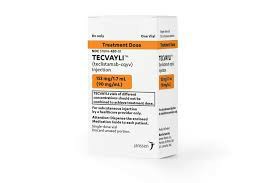
In October 2022, the U.S. Food and Drug Administration granted accelerated approval to teritusumab for the treatment of adult patients with relapsed or refractory multiple myeloma who have received at least four prior therapies, including proteasome inhibitors (PIs), immunomodulators, and anti-CD38 monoclonal antibodies.
The MajesTEC-3 Phase 3 clinical trial is a randomized, open-label study designed to evaluate the efficacy and safety of teritusumab in combination with subcutaneous daratumumab versus DPd or DVd in patients with relapsed or refractory multiple myeloma.
Eligible patients needed to be diagnosed with multiple myeloma after receiving1 to 3 treatments, including proteasome inhibitors (PIs) and lenalidomide (Revlimid). Those who had received only one prior treatment needed to be resistant to lenalidomide. Other key inclusion criteria included evidence of disease progression, ECOG performance status of 0 to 2, and adequate laboratory values. Participants were randomly assigned to receive teritusumab/daratumumab or investigator's choiceDPd or DVD. In the experimental group, increasing doses of teritusumab were administered before the first full dose.
In addition to the primary endpoint of PFS and the key secondary endpoint of OS, other secondary endpoints include overall response rate, very good partial response rate or better, complete response rate or better, minimal residual disease-negative rate, time to second disease progression, PFS on next line of therapy, time to next treatment, duration of response and safety.
Results from the MajesTEC-3 study of the two most important drugs, teritusumab and daratumumab, show that Johnson & Johnson is in the lead in developing regimens with complementary and synergistic mechanisms of action for patients with multiple myeloma. We believe this combination will become a new standard of care option. The increases in PFS and OS are another example of how our portfolio is fundamentally changing the way patients with multiple myeloma are treated.
References:https://www.onclive.com/view/teclistamab-plus-daratumumab-boosts-survival-in-r-r-myeloma
[ 免责声明 ] 本页面内容来自公开渠道(如FDA官网、Drugs官网、原研药厂官网等),仅供持有医疗专业资质的人员用于医学药学研究参考,不构成任何治疗建议或药品推荐。所涉药品可能未在中国大陆获批上市,不适用于中国境内销售和使用。如需治疗,请咨询正规医疗机构。本站不提供药品销售或代购服务。


