
.jpeg)
Differences and selection suggestions between F/TAF and Bituvi in u200bu200bterms of efficacy and applicable groups
F/TAF, F/tenofovir Alafenamide) and Biktarvy (Biktarvy, BIC/TAF/FTC) are both oral antiviral drugs used to treat HIV infection in adults and adolescents, but their composition and mechanism of action are slightly different. Dacovir usually refers to a fixed-dose combination drug containing tenofovir alafenamide (TAF), which is often used in combination with other antiretroviral drugs to inhibit HIV viral replication and increase CD4+ cell levels. Bictegravir is a single-pill combination drug that contains bictegravir (Bictegravir), TAF and emtricitabine fumarate (FTC), an integrase inhibitor combined with a nucleoside reverse transcriptase inhibitor (NRTI) compound regimen, which can be taken orally at one time to complete the combined treatment of three drugs.
In terms of efficacy, both can effectively inhibitHIV virus replication and improve immune function, but the mechanisms are slightly different. The core component of Dakovo, TAF, can efficiently enter lymphocytes, release active tenofovir diphosphate, inhibit reverse transcriptase activity in cells, and has relatively low systemic toxicity to the kidneys and bones, making it suitable for long-term maintenance treatment. Combining BIC with the integrase inhibitor BIC can block the integration of HIV DNA into the host genome, thus inhibiting virus replication more efficiently and reducing the incidence of drug-resistant mutations. Clinical data shows that Bituvi performs slightly better in terms of virological suppression and resistance barrier, and is especially suitable for patients with high viral loads or a history of drug resistance.
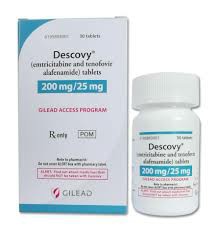
TAF is suitable for treatment-naive HIV patients or patients who have been sensitive to nucleoside drugs in the past. It can also be used for patients with renal insufficiency or a higher risk of bone density loss, because TAF has less side effects on the kidneys and bones. Bituvi is suitable for HIVinitial treatment patients and patients with a higher risk of viral resistance. It is especially suitable for patients who need a simplified regimen, because a single tablet taken daily can complete the three-drug combination, improving compliance. For pregnant women, patients with other chronic diseases or patients receiving multi-drug combination therapy, individualized selection should be made based on drug interactions, renal and liver function, and drug resistance history.
When using Dakovo, kidney function, blood lipids and liver function should be monitored regularly, and possible gastrointestinal reactions should be paid attention to. Patients taking Bituvi need to pay attention to liver function, blood sugar and renal function, especially when other drugs are used together, and potential drug interactions need to be evaluated. Both emphasize the importance of compliance, and patients need to take their medications regularly every day as directed by their doctor to avoid missing doses or adjusting the dosage on their own. Clinically, the most appropriate regimen can be selected based on viral load, drug resistance, individual tolerance, and lifestyle. In general, Dakovo is more suitable for patients who are concerned about long-term renal and bone safety and basic treatment, while Bituvi has more advantages in terms of highly effective virus suppression and drug resistance barriers in a single tablet.
Taken together, both Dakovo and Bitovil are important drugs in modern HIV treatment. Dacovail is characterized by low systemic toxicity and flexible combination, and is suitable for long-term maintenance and specific high-risk groups; Bituvail provides the advantages of high-efficiency inhibition and high resistance barrier in a single tablet, simplifying the medication regimen and improving compliance. In actual clinical practice, doctors will formulate an individualized treatment plan based on the patient's virological indicators, kidney and bone safety, comorbid diseases, previous medication history and living habits, combined with drug characteristics, to achieve maximum efficacy and long-term safety management. When choosing a plan, patients should fully communicate with their doctors to understand the functional characteristics and possible risks of the two drugs to ensure a balance between treatment effect and quality of life.
Reference materials:https://www.drugs.com/
[ 免责声明 ] 本页面内容来自公开渠道(如FDA官网、Drugs官网、原研药厂官网等),仅供持有医疗专业资质的人员用于医学药学研究参考,不构成任何治疗建议或药品推荐。所涉药品可能未在中国大陆获批上市,不适用于中国境内销售和使用。如需治疗,请咨询正规医疗机构。本站不提供药品销售或代购服务。


