
.jpeg)
Common side effects of seripalase (BRINEURA) and instructions on how patients should deal with and prevent them
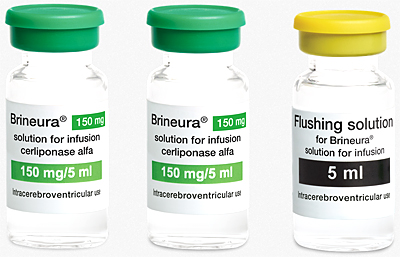
Seripase (BRINEURA, Cerliponase alfa) is a genetically engineered recombinant enzyme mainly used to treat gangliosidosis II type (CLN2 type) - a rare inherited lysosomal disorder in children, also known as childhood-onset late-onset Niemann's disease - Pick's disease or Turner syndrome-related neurodegenerative disease. BRINEURAInjects into the cerebrospinal fluid through intravenous injection to provide enzyme replacement therapy for patients lacking lysosomal enzymes, delay the decline of neurological function, and improve the patient's quality of life. Although the efficacy is remarkable, a series of side effects may still occur during the treatment, which require patients and their families to understand and deal with it in advance.
Clinical studies and post-marketing surveillance show that common adverse reactions of seripalase mainly include: fever, headache, vomiting, chills, local injection site reactions (such as redness, swelling, pain), exacerbation of epileptic seizures, and muscle or joint pain. Among them, fever, headache, and vomiting are mild to moderate side effects, which can generally be relieved within a few hours to a day or two; local reactions are mainly manifested as pain, erythema, or itching at the injection site, and some patients may be accompanied by mild induration; aggravation of epileptic seizures occurs in a small number of patients, and requires high attention, especially in patients with a basic history of epilepsy.
For mild fever, headache and vomiting, symptomatic drugs, such as antipyretics or antiemetics, can be used under the guidance of a doctor, while ensuring adequate fluid intake and rest. Local injection reactions can be relieved with cold compresses or local analgesic measures, and avoid vigorous rubbing of the injection site. For patients with epileptic seizures or worsening muscle and joint pain, a neurologist should be contacted immediately to adjust anti-epileptic drugs or adjuvant treatment options. Families should record the changes in symptoms after each injection during home care to provide doctors with a reference so that the treatment plan can be adjusted in a timely manner.
In order to reduce the occurrence of side effects, patients need to undergo a comprehensive evaluation before using seripalase, including blood routine, liver and kidney function, and past medical history. Strict aseptic operating procedures should be followed during the injection process to avoid the risk of infection. Before treatment, anti-allergic drugs or preventive drugs can be used according to the doctor's advice to reduce the probability of fever and injection reactions. During long-term treatment, neurological function and epilepsy control should be regularly followed up to evaluate efficacy and dynamically adjust dosage or injection frequency. In addition, family members should educate child patients to cooperate with treatment, maintain a good daily routine and a balanced diet, and improve overall immunity to reduce side effects.
In general, seripase (BRINEURA) has clear efficacy in the treatment of CLN2 neurodegenerative diseases, but the side effects cannot be ignored. Through standardized injection operations, early prevention, symptomatic treatment and long-term follow-up, most adverse reactions can be effectively controlled. Patients and their families should fully understand the risks and benefits of drugs and conduct treatment under the guidance of a professional medical team to ensure maximum efficacy and safety. Scientific management of side effects not only helps improve patients' quality of life, but also prolongs the duration of disease intervention effects and provides feasible long-term treatment options for patients with rare diseases.
Reference materials:https://www.drugs.com/
[ 免责声明 ] 本页面内容来自公开渠道(如FDA官网、Drugs官网、原研药厂官网等),仅供持有医疗专业资质的人员用于医学药学研究参考,不构成任何治疗建议或药品推荐。所涉药品可能未在中国大陆获批上市,不适用于中国境内销售和使用。如需治疗,请咨询正规医疗机构。本站不提供药品销售或代购服务。


