
.jpeg)
Common side effects and safe medication precautions of venetoclax/venetoclax (venetoclax)
Venetoclax (also known as venetoclax) is an oral BCL-2 inhibitor, mainly used to treat chronic lymphocytic leukemia (CLL), acute myeloid leukemia (AML) and some relapsed or refractory non-Hodgkin lymphoma. BCL-2The protein is abnormally expressed in tumor cells, which can prevent cell apoptosis and lead to long-term survival of cancer cells. Venetoclax promotes tumor cell apoptosis by selectively inhibiting BCL-2, thereby controlling the disease. Since the drug mechanism directly acts on the apoptosis pathway, it can not only effectively kill tumor cells during use, but may also have certain effects on normal blood cells and tissues, causing side effects.
Common side effects of venetoclax mainly include hematological and non-hematological adverse reactions. In terms of hematology, patients may experience neutropenia, anemia, thrombocytopenia, etc. These conditions are more obvious in the early stages of treatment, and some patients need to be managed through dose adjustment or temporary discontinuation of medication. On the non-hematological side, the most common side effects include diarrhea, nausea, vomiting, fatigue, fever, and upper respiratory tract infection. Some patients may develop hyperuricemia or tumor lysis syndrome (TLS), especially when the initial dose or disease tumor burden is high, and strict monitoring is required.
In order to reduce the risk of side effects, venetoclax needs to be taken strictly according to the "gradual increase" plan. The initial phase usually starts with a low dose and is gradually increased to the target dose, combined with adequate hydration and pharmacological preventive measures (such as allopurinol to prevent hyperuricemia). During the period of medication, patients need to regularly review blood routine, electrolytes, liver and kidney function and uric acid levels, and adjust the dose or take supportive treatment based on the results. Especially in patients with high tumor burden or with abnormal renal function, hospitalization or close monitoring should be performed to prevent tumor lysis syndrome.
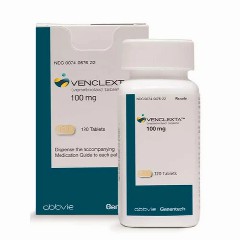
Venaclat should be used with extreme caution in elderly patients or patients with multiple chronic diseases, as these groups are at higher risk of hematological toxicity and tumor lysis. Drug metabolism mainly relies on the CYP3A pathway, so combined use with potent CYP3A inhibitors or inducers may affect blood drug concentration, thereby increasing adverse reactions or reducing efficacy. In addition, patients should avoid taking herbal medicines, health supplements or over-the-counter medicines by themselves during the medication, especially preparations that may affect liver enzyme activity. Any dosage adjustment, concomitant use or discontinuation of medication must be done under the guidance of a professional physician.
Patients should maintain good living habits in the home environment, ensure adequate sleep, a balanced diet and moderate exercise, and avoid contact with sources of infection. Symptoms of fatigue, fever, or infection should be reported to your doctor immediately and may require the use of anti-infective medications or dosage adjustments. When hematological indicators decline, doctors may provide growth factor support or blood transfusion treatment. Regular follow-up imaging and laboratory examinations can help promptly evaluate the efficacy and detect potential risks, so as to obtain the best treatment effect while ensuring safety.
In general, venetoclax is a highly effective targeted anti-tumor drug, but hematological toxicity, tumor lysis syndrome and gastrointestinal reactions are more common during use. Patients should strictly follow the doctor's instructions, take medication according to the gradual increase plan, regularly monitor blood routine and electrolytes, and pay attention to lifestyle and potential drug interactions. When adverse reactions occur, the doctor should be reported promptly and dosage adjustment or supportive treatment should be performed under professional guidance. Through close cooperation and scientific management between doctors and patients, the efficacy of venetoclax can be maximized while ensuring safety, and continuous and effective treatment options can be provided for patients with chronic lymphocytic leukemia and other indications.
Reference materials:https://www.drugs.com/
[ 免责声明 ] 本页面内容来自公开渠道(如FDA官网、Drugs官网、原研药厂官网等),仅供持有医疗专业资质的人员用于医学药学研究参考,不构成任何治疗建议或药品推荐。所涉药品可能未在中国大陆获批上市,不适用于中国境内销售和使用。如需治疗,请咨询正规医疗机构。本站不提供药品销售或代购服务。


