
.jpeg)
Analysis of the key contents and medication guidance of the official instructions for Febuxostat (Febuxostat)
1. Drug overview and mechanism of action
Febuxostat (Febuxostat) is a selective xanthine oxidase inhibitor used to treat patients with hyperuricemia and gout. Its main mechanism of action is to inhibit the activity of xanthine oxidase and block the conversion of xanthine into uric acid, thereby reducing serum uric acid levels. This mechanism of action is similar to traditional allopurinol, but febuxostat is more selective for xanthine oxidase and does not rely on renal function for excretion, so it is more suitable for patients with mild to moderate renal dysfunction. In clinical application, febuxostat can effectively control serum uric acid within the target range (usually<6 mg/dL), reducing the risk of gout attacks and uric acid stone formation.
2. Indications and drug users
According to the official instructions, febuxostat is suitable for the following people:
Patients with gout or hyperuricemia, especially adults with serum uric acid≥7 mg/dL and a history of gout attacks;
Patients who are intolerant to allopurinol or have ineffective control of blood uric acid using allopurinol;
Some patients have mild to moderate abnormalities in renal function, but patients with severe renal insufficiency or end-stage renal disease should use it with caution.
Febuxostat is not suitable for pregnant women, lactating women and children. There is currently insufficient clinical data, so its use is not recommended for these groups. At the same time, for patients with serious cardiovascular diseases (such as recent myocardial infarction, stroke, or unstable heart failure), use must be made under the guidance of a doctor after weighing the pros and cons, because some studies have shown that febuxostat may be associated with the risk of cardiovascular events.
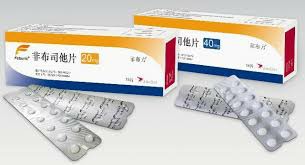
3. Usage, dosage and medication guidance
The official instructions recommend that the starting dose for adults is 40 mg taken orally once a day, which can be adjusted to 80 mg once a day after 2 to 4 weeks based on serum uric acid levels and tolerance. Medication can be taken with or without food, but should be taken regularly. Serum uric acid, liver function and renal function need to be monitored regularly during treatment.
Patients should pay attention to the following points while using febuxostat:
Concomitant drug use: If you are taking antihypertensives, statins, or anticoagulants concomitantly, your doctor should be informed so that potential drug interactions can be evaluated.
Lifestyle adjustments: Combining a low-purine diet, abstaining from alcohol, maintaining moderate exercise and drinking water can help enhance the uric acid-lowering effect and reduce the risk of gout attacks.
Management of acute gout attacks: A drop in serum uric acid in the early stages of treatment may trigger an acute gout attack. Doctors usually recommend short-term use of colchicine or non-steroidal anti-inflammatory drugs (NSAIDs) to prevent or relieve gout attacks.
4. Precautions and adverse reaction management
The overall safety profile of febuxostat is good, but some adverse reactions may still occur:
Common reactions: Abnormal liver function (AST/ALTincreased), rash, nausea, joint pain, etc.;
Rare but serious: severe allergic reactions, cardiovascular events, liver damage, etc.
Patients need to regularly review their blood, liver and kidney functions during medication. If symptoms such as rash, jaundice, difficulty breathing or palpitations occur, they should stop medication immediately and seek medical treatment. At the same time, for patients with a history of cardiovascular disease, doctors may perform electrocardiogram monitoring or choose other urate-lowering drugs.
In addition, discontinuation or dose adjustment of febuxostat should be carried out under the guidance of a doctor, and self-adjustment should be avoided to prevent the rebound of blood uric acid from causing gout attacks or an increased risk of kidney stones. For patients on long-term treatment, the efficacy and safety need to be regularly evaluated, and the dose should be adjusted or combined with other treatments based on blood uric acid levels and clinical symptoms.
Febuxostat, as a selective xanthine oxidase inhibitor, is widely used in patients with hyperuricemia and gout. Correct use requires combining the official instructions, following the starting dose, regularly monitoring serum uric acid and liver and kidney function, rationally adjusting the dose, and coordinating with lifestyle management. For high-risk cardiovascular patients or those with abnormal liver and kidney function, medication should be used with caution under the guidance of a doctor. Standardized use of febuxostat can effectively reduce serum uric acid levels, reduce the frequency of gout attacks, and improve patients' quality of life while taking into account safety.
Reference materials:https://www.drugs.com/
[ 免责声明 ] 本页面内容来自公开渠道(如FDA官网、Drugs官网、原研药厂官网等),仅供持有医疗专业资质的人员用于医学药学研究参考,不构成任何治疗建议或药品推荐。所涉药品可能未在中国大陆获批上市,不适用于中国境内销售和使用。如需治疗,请咨询正规医疗机构。本站不提供药品销售或代购服务。


