
.jpeg)
How to judge whether platinib (Pujihua) treatment has produced drug resistance
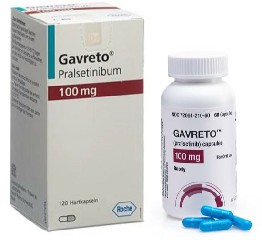
Pralsetinib (Pralsetinib) is a highly selective RET inhibitor, mainly used to treat patients with non-small cell lung cancer, thyroid cancer and other patients carrying RET gene fusion or mutation. In the initial treatment phase, most patients can achieve good tumor shrinkage or disease stabilization response. However, with the prolongation of treatment time, some patients may gradually develop drug resistance, resulting in a decrease in efficacy. Therefore, timely identification of drug resistance reactions is the key to adjusting treatment options.
First of all, changes in imaging examinations are the most direct way to judge drug resistance. Clinically, tumor size and changes in lesions are usually assessed through regular examinations such as CT, MRI or PET-CT. If the tumor volume increases significantly or new lesions appear (such as extrapulmonary metastasis, brain metastasis, etc.) during continued use of platinib, it often indicates that drug resistance may have developed. In addition, elevated tumor markers, pleural effusion or gradual enlargement of lymph nodes can also be used as auxiliary reference indicators.
Secondly, changes in patient symptoms are also important early signs of drug resistance. Some patients' symptoms improved significantly in the early stages of treatment, such as cough reduction, improved respiratory conditions, weight gain, etc. However, if the original symptoms recur during maintenance treatment, or new symptoms appear (such as worsening dyspnea, chest pain, persistent fever, weight loss, etc.), you need to be highly vigilant about the possibility of drug resistance. It is recommended to review the imaging as soon as possible and communicate with the doctor to adjust the plan.
Finally, genetic testing can clarify the resistance mechanism and provide a basis for subsequent treatment. By performing next-generation sequencing (NGS) on tumor tissue or circulating tumor DNA (ctDNA), it is possible to detect whether New RET mutations or bypass activation (such as MET, KRAS, etc.) are emerging. These changes are often important mechanisms of acquired resistance. Once resistance is confirmed, doctors will choose new targeted drugs, combination regimens, or switch to chemotherapy/immunotherapy based on the type of mutation.
Reference materials:https://www.drugs.com/
[ 免责声明 ] 本页面内容来自公开渠道(如FDA官网、Drugs官网、原研药厂官网等),仅供持有医疗专业资质的人员用于医学药学研究参考,不构成任何治疗建议或药品推荐。所涉药品可能未在中国大陆获批上市,不适用于中国境内销售和使用。如需治疗,请咨询正规医疗机构。本站不提供药品销售或代购服务。


