
.jpeg)
How effective is obeticholic acid in treating liver fibrosis?
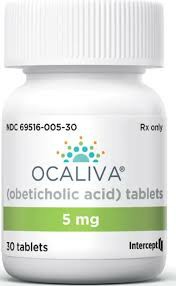
Obeticholic acid (Obeticholic acid) is one of the most popular anti-liver fibrosis drugs in the world. It exerts multi-level metabolic regulation and anti-fibrosis effects by activating Farnesoid X Receptor (FXR). The drug was first developed by Intercept Pharmaceuticals, with the original trade name Ocaliva. It was initially approved for the treatment of primary biliary cholangitis (PBC), especially patients who have an inadequate response to or are intolerant to ursodeoxycholic acid (UDCA). In recent years, with the deepening of research, OCA has shown significant efficacy in the fields of liver fibrosis and non-alcoholic steatohepatitis (NASH, now called MASH), and is regarded as an important representative of the innovation of liver disease treatment mechanisms.
The core mechanism of OCA in treating liver fibrosis lies in its highly selective agonistic effect on FXR. FXR is a key bile acid receptor in the liver and intestines, responsible for regulating the synthesis, transport and excretion of bile acids. When liver fibrosis occurs, bile acid metabolism disorder and chronic inflammation will promote the activation of hepatic stellate cells (HSC), leading to collagen deposition and gradually developing into cirrhosis. After OCA activates FXR, it can upregulate the expression of small xenobiotic protein SHP, inhibit cholesterol 7α-hydroxylase (CYP7A1), reduce the production of toxic bile acids, and reduce the risk of liver cell damage. At the same time, OCA can directly inhibit HSC activation, reduce extracellular matrix accumulation, and block the fibrosis process from the source. In addition, activation of the FXR pathway can also regulate lipid and glucose metabolism, reduce the release of inflammatory factors, and indirectly improve the liver microenvironment.
From the perspective of efficacy, multiple international studies have shown thatOCA has potential advantages in improving the structure of liver fibrosis. The most representative clinical trial in the world is the "REGENERATE study". This study shows that a considerable proportion of patients with non-alcoholic steatohepatitis who received OCA showed an improvement in liver fibrosis grade without the risk of disease exacerbation. This result confirms that OCA can reverse part of the fibrosis process at the histological level. For PBC patients, OCA combined with UDCA treatment can significantly reduce serum bile acid levels and alkaline phosphatase (ALP), thereby delaying disease progression and improving liver function indicators. Some patients' symptoms improved significantly after 12 months of use, suggesting that OCA can not only control the disease but also improve the quality of life.
It is worth noting that OCA not only shows efficacy in PBC, but its application in patients with non-alcoholic steatohepatitis (NASH/MASH) combined with liver fibrosis is also continuing to advance. In 2025, the US FDA is re-examining OCA's application for approval for MASH indications. If successfully approved, it will become the world's first FXR agonist approved for the treatment of metabolism-related liver fibrosis. The success of OCA also provides an example for the transformation of liver disease treatment from traditional hepatoprotective drugs to "precision metabolic intervention".
However, obeticholic acid also needs to pay attention to safety issues during its application. Some patients may experience itching, mild liver enzyme elevations, or cholesterol changes during the initial treatment period, which is due to the short-term effects of FXR activation on bile acid metabolism. Doctors often manage these discomforts by gradually escalating the dose or using supplemental medications. For patients with decompensated cirrhosis or significant portal hypertension, OCA should be used with caution or disabled to avoid increasing the burden on the liver.
Reference materials:https://en.wikipedia.org/wiki/Obeticholic_acid
[ 免责声明 ] 本页面内容来自公开渠道(如FDA官网、Drugs官网、原研药厂官网等),仅供持有医疗专业资质的人员用于医学药学研究参考,不构成任何治疗建议或药品推荐。所涉药品可能未在中国大陆获批上市,不适用于中国境内销售和使用。如需治疗,请咨询正规医疗机构。本站不提供药品销售或代购服务。


