
.jpeg)
What are the functions and effects of neratinib/neratinib (He Li'an)
Neratinib/neratinib (Neratinib) is a representative oral irreversible pan-HER receptor tyrosine kinase inhibitor (pan-HER TKI) developed by Puma Biotechnology of the United States. The drug blocks the growth and division signals of tumor cells by inhibiting the signaling pathways of three receptors: HER1 (EGFR), HER2 and HER4. It is widely used to treat HER2-positive breast cancer patients, especially in patients who are still at risk of recurrence after treatment with trastuzumab (Herceptin). The emergence of neratinib marks a new stage of HER2 pathway targeted therapy from "blocking a single receptor" to "multi-target precise inhibition", providing breast cancer patients with the possibility of delaying recurrence and improving disease-free survival rate.
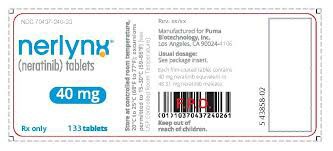
The main mechanism of action of neratinib lies in its irreversible binding toHER family receptors. HER2 is a transmembrane tyrosine kinase receptor involved in the transmission of cell growth, differentiation and survival signals. Patients with HER2-positive breast cancer often have continuous signal activation due to HER2 gene amplification, causing tumor cells to grow out of control. Neratinib can covalently bind to the cysteine u200bu200bresidues in the HER2 kinase domain to form a stable complex and continuously block downstream signaling pathways, such as the MAPK and PI3K/AKT pathways. This effect is different from traditional reversible inhibitors and can maintain anti-tumor activity for a longer period of time, thereby significantly reducing the risk of recurrence. In addition, its simultaneous inhibition of HER1 and HER4 helps overcome the drug resistance problem of tumor cells escaping through other receptor pathways.
In clinical use, neratinib is mainly used for adjuvant treatment of HER2-positive early breast cancer, that is, it is continued to be taken after completing the course of trastuzumab to reduce the probability of recurrence and metastasis. Overseas studies have shown that continuous oral administration of neratinib for one year can significantly extend disease-free survival (iDFS), especially in patients with hormone receptor-positive (HR+) HER2 breast cancer. In addition, neratinib has also been explored for use in HER2-mutant solid tumors, such as lung cancer, colorectal cancer, and biliary tract cancer. Some studies have shown that it also has anti-tumor potential in these diseases. Therefore, neratinib is not only an exclusive drug for breast cancer, but may also become one of the universal multi-tumor options for HER2-targeted therapy.
The pharmacokinetic profile of neratinib makes it suitable for long-term oral administration. The drug is well absorbed and its bioavailability is increased in the presence of fatty meals, so it is usually recommended to take it with food. It is metabolized by the liverCYP3A4 and excreted mainly through bile. Patients should avoid coadministration with strong CYP3A4 inhibitors or inducers to avoid affecting efficacy or increasing the risk of toxic side effects.
In terms of safety, the common adverse reaction of neratinib is diarrhea, which is most obvious in the early stages of treatment. This is related to its effect on intestinal epithelial growth factor receptors. In order to reduce the incidence of diarrhea, doctors usually recommend taking antidiarrheal drugs for preventive management at the beginning of medication. Other common side effects include nausea, fatigue, elevated liver enzymes, and abdominal pain, most of which can be controlled with dose adjustment or supportive care. Since neratinib is metabolized by the liver, patients with abnormal liver function should use it with caution and regularly monitor ALT, AST and bilirubin levels.
Reference materials:https://en.wikipedia.org/wiki/Neratinib
[ 免责声明 ] 本页面内容来自公开渠道(如FDA官网、Drugs官网、原研药厂官网等),仅供持有医疗专业资质的人员用于医学药学研究参考,不构成任何治疗建议或药品推荐。所涉药品可能未在中国大陆获批上市,不适用于中国境内销售和使用。如需治疗,请咨询正规医疗机构。本站不提供药品销售或代购服务。


