
.jpeg)
A comprehensive analysis of the detailed instructions and correct usage of Seripase (BRINEURA)
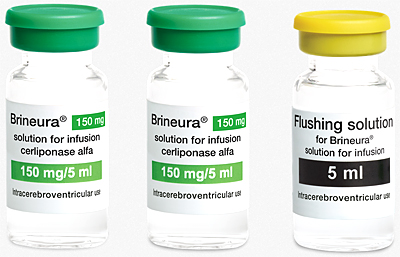
Seripase (BRINEURA, scientific namecerliponase alfa) is a lysosomal enzyme replacement therapy drug derived from recombinant human umbilical cord blood, specifically used to treat pediatric patients with gangliosidosis type II (CLN2 disease, also known as Trippa-Nasson disease). CLN2 disease is a rare hereditary lysosomal storage disease. Due to the TTP1 gene defect, which leads to enzyme deficiency, patients suffer from neurodegenerative diseases, including epilepsy, decreased motor function and cognitive deterioration. Seripatin, as an enzyme replacement therapy (ERT) drug, delays the progression of the disease by supplementing the missing enzyme. It is currently the only clinically approved specific treatment for this disease.
1. Indications and mechanism of action
BRINEURAis mainly suitable for children 2 years old and above who have CLN2 disease gene defects. It can significantly delay the degeneration of neurological function and decline in motor ability. Its mechanism of action is to inject the recombinant TPP1 enzyme directly into the ventricle after intravenous injection, allowing the enzyme to reach the target cells of the central nervous system and decompose excess accumulated substrates, thereby reducing neurotoxicity and improving or delaying the deterioration of the patient's clinical symptoms. Clinical trials have shown that regular use of seripalase can delay the decline of motor and language functions and improve patients' quality of life.
2. Usage and dosage
According to the instructions, BRINEURA needs to be administered via intracerebroventricular injection (intracerebroventricular, ICV), which is usually operated by professional medical institutions. The standard dose is 300 mg once every two weeks. The medicine needs to be thawed, diluted and filtered before use to ensure sterile operation. During the injection process, a ventricular catheter (such asOmmayareservoir) for administration to ensure that the drug enters the cerebral ventricle directly to ensure efficacy. Patients should monitor vital signs and neurological status before and after injection to prevent injection-related complications.
3. Adverse reactions and precautions
Common adverse reactions include fever, vomiting, seizures, headache, injection site infection, and infusion-related reactions. Some patients may experience allergic reactions manifesting as rash, itching, or difficulty breathing. To reduce the risk, it is necessary to assess the patient's medical history, especially epilepsy and allergies, and prepare emergency medications before use. Patients should have their body temperature, blood pressure and neurological function assessed before each dose. If serious adverse reactions occur, the dose should be suspended and dealt with immediately. Patients taking long-term medication need to regularly monitor neurological function and imaging indicators to evaluate efficacy and adjust treatment plans.
4. Patient management and home care
Since BRINEURA requires intracerebroventricular administration, treatment must be completed in a hospital equipped with ICV injection conditions. In terms of home care, parents should pay attention to their children's neurobehavioral changes, diet and sleep, record abnormalities in a timely manner and provide feedback to the doctor. During the drug interval, appropriate rehabilitation training, including physical therapy, speech training, and motor function training, should be maintained to enhance the therapeutic effect. Drug storage and transportation must comply with low-temperature cold chain requirements to ensure drug activity and avoid failure due to improper temperature.
In short, seripase (BRINEURA) is a specific enzyme replacement drug for children with CLN2 disease, which delays neurodegeneration by supplementing the missing enzyme. Standard use of BRINEURA, strict compliance with the dosage and administration instructions, close monitoring of adverse reactions, and combined with home rehabilitation management can improve patients' quality of life and delay the progression of the disease to the greatest extent, providing an important option for the treatment of rare hereditary neurodegenerative diseases.
Reference link:https://www.drugs.com
[ 免责声明 ] 本页面内容来自公开渠道(如FDA官网、Drugs官网、原研药厂官网等),仅供持有医疗专业资质的人员用于医学药学研究参考,不构成任何治疗建议或药品推荐。所涉药品可能未在中国大陆获批上市,不适用于中国境内销售和使用。如需治疗,请咨询正规医疗机构。本站不提供药品销售或代购服务。


