
.jpeg)
Common side effects of apalutamide (Ansenko) and how to deal with adverse reactions
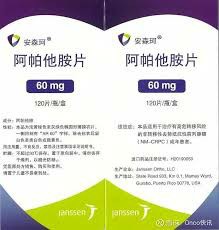
Apalutamide (Apalutamide) is a new type of non-steroidal androgen receptor inhibitor, mainly used to treat castration-resistant prostate cancer (nmCRPC) and some patients with advanced prostate cancer. It inhibits prostate cancer cell proliferation and metastasis by blocking the binding of androgens to receptors. However, despite its remarkable efficacy, a series of clinical side effects may still occur, which require close attention by patients and medical staff to ensure the safety and continuity of treatment.
1. Overview of common side effects
The most common adverse reactions during apalutamide treatment include rash, fatigue, diarrhea, thyroid dysfunction, elevated serum alkaline phosphatase, and increased risk of falls or fractures. Among them, rash is the most common adverse reaction in the early stage of use, most of which are mild to moderate, and may be accompanied by itching and local erythema; fatigue is manifested by decreased physical strength and weakness, which may affect daily life in severe cases; diarrhea is often manifested by frequent defecation or thin stool. Some patients may have hypothyroidism or hyperthyroidism and require regular monitoring of serum thyroid hormone levels.
2. Serious or cause for concern
Apalutamide may also cause more serious adverse reactions, such as cardiovascular events, fractures, epileptic seizures, etc. Cardiovascular events include hypertension, arrhythmia or heart failure, etc., especially patients with a history of underlying heart disease need to be monitored intensively. The increased risk of fractures is mainly associated with the combined use of long-term androgen deprivation therapy (ADT), so patients with low bone density or osteoporosis require additional attention. Seizures, although rare, are at higher risk in patients with preexisting central nervous system disease or drug interactions.
3. How to deal with adverse reactions
For mild to moderate side effects, symptomatic treatment and lifestyle intervention can be taken. For example, mild skin rashes can be treated with mild skin care products or topical corticosteroids, while severe rashes may require temporary discontinuation of medication and consultation with a dermatologist. Fatigue can be improved through moderate exercise, regular work and rest, and nutritional supplements. Diarrhea can be controlled by adjusting the diet, replenishing fluids and taking oral anti-diarrhea drugs. For thyroid dysfunction, blood indicators should be monitored regularly, and medications should be adjusted or thyroid hormone replacement therapy should be used if necessary.
4. Long-term management and safe medication recommendations
Severe or uncontrollable side effects may require dose reduction, temporary discontinuation, or combination with other treatments. Patients with cardiovascular events should regularly monitor blood pressure, electrocardiogram and cardiac function, and combine cardiovascular drug treatment if necessary. Patients with osteoporosis can take calcium, vitamin D or bone protective agents, and perform moderate weight-bearing exercises at the same time. Medical staff should assess the patient's underlying disease before treatment and develop an individualized follow-up plan. In short, through early identification and timely intervention, the adverse reactions of apalutamide are usually controllable, and most patients can complete the course of treatment safely and continuously, thereby obtaining the best therapeutic effect.
Apalutamide, as an androgen receptor inhibitor, has shown good efficacy in the treatment of castration-resistant prostate cancer, but is accompanied by certain side effects. Understanding the common types of adverse reactions, monitoring methods and response measures is crucial to ensuring patient safety and optimizing efficacy. Patients should take medication under the guidance of professional doctors and undergo regular follow-up and evaluation to ensure that adverse reactions are minimized while obtaining anti-tumor effects.
Reference link:https://www.drugs.com
[ 免责声明 ] 本页面内容来自公开渠道(如FDA官网、Drugs官网、原研药厂官网等),仅供持有医疗专业资质的人员用于医学药学研究参考,不构成任何治疗建议或药品推荐。所涉药品可能未在中国大陆获批上市,不适用于中国境内销售和使用。如需治疗,请咨询正规医疗机构。本站不提供药品销售或代购服务。


