
.jpeg)
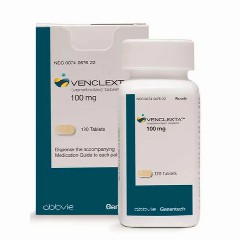
Analysis of the efficacy and indications of venetoclax/venetoclax combined with azacitidine
1. Overview of venetoclax and azacitidine
Venetoclax (Venetoclax) is an oral small molecule BCL-2 inhibitor. By specifically inhibiting BCL-2 protein activity, it lifts the anti-apoptosis barrier of tumor cells and causes programmed death of cancer cells. BCL-2 is highly expressed in a variety of hematological malignancies, especially in acute myeloid leukemia (AML) and chronic lymphocytic leukemia (CLL), becoming an important mechanism for cancer cell resistance and survival.
Azacitidine (Azacitidine) is a DNA methyltransferase inhibitor that works by embedding DNA chains and inhibiting DNA methylation, restoring the expression of tumor suppressor genes and inducing cancer cell differentiation and apoptosis. It is widely used in myelodysplastic syndrome (MDS) and acute myeloid leukemia, which can improve blood images and delay disease progression.
The combined use of venetoclax and azacitidine is based on the complementarity of their mechanisms of action: venetoclax directly relieves the anti-apoptotic barrier mediated by BCL-2, while azacitidine reduces the survival ability of cancer cells through epigenetic regulation. The combined treatment can achieve a stronger anti-leukemia effect.
2. Clinical efficacy of combination therapy
Multiple clinical trials have shown that venetoclax combined with azacitidine has significant efficacy in elderly AML patients who are not suitable for high-intensity chemotherapy. For example, in a pivotal phase II study, the overall response rate (ORR) of the combination group reached 60%-70% , the complete response rate (CR) is about 37%-45%, which is much higher than the efficacy of azacitidine or low-dose chemotherapy alone.
Combination therapy can quickly reduce the proportion of leukemia cells in the bone marrow, improve blood images, reduce the need for blood transfusions, and significantly extend progression-free survival (PFS) and overall survival (OS). For patients with poor prognosis genotypes (such as TP53 mutations or high BCL-2 expression), the combination regimen still shows certain efficacy advantages, which provides an effective treatment option for high-risk patients.
At the same time, combined therapy can enable patients to quickly achieve disease control in the initial treatment stage, creating opportunities for subsequent maintenance treatment or hematopoietic stem cell transplantation. Some studies have shown that patients can successfully undergo hematopoietic stem cell transplantation and improve their long-term survival probability after receiving the combination regimen.
3. Safety and Tolerability
The safety of venetoclax combined with azacitidine is generally controllable, but the adverse reactions are mainly concentrated on hematological toxicity and some infection risks. Common hematological adverse events include neutropenia, anemia, and thrombocytopenia, and some patients may develop febrile neutropenia and require hospitalization and supportive care.
In addition, combined use may lead to tumor lysis syndrome (TLS), with an increased risk particularly in patients with a high initial leukemia cell load. Therefore, adequate hydration, monitoring of serum potassium, serum phosphorus, serum uric acid and creatinine levels are required before treatment, and a graded dose escalation strategy is adopted based on risk stratification to reduce the incidence of TLS.
Non-hematological adverse reactions include mild to moderate gastrointestinal reactions (such as nausea, vomiting, diarrhea), fatigue and fever, most of which can be relieved by symptomatic treatment. For patients with hepatic and renal insufficiency or other chronic diseases, the dose of venetoclax needs to be adjusted individually and blood routine and biochemical indicators should be closely monitored.
4. Indications and clinical application suggestions
The main indications for venetoclax combined with azacitidine are: newly diagnosed AML elderly patients (≥75 years old) who are not suitable for high-intensity chemotherapy or patients with comorbidities who cannot tolerate intensive chemotherapy. In addition, for some patients with relapsed or refractory AML, it can also be used under clinical trials or professional evaluation.
In clinical practice, individualized treatment plans should be formulated based on the patient's age, underlying diseases, tumor burden, and gene mutation status. Treatment usually uses oral administration of venetoclax combined with subcutaneous injection or intravenous infusion of azacitidine, with each course of treatment lasting 28 days. The dose is adjusted based on hematology and tumor response. Combination medication must also be accompanied by adequate supportive treatment, including anti-infection, blood transfusion, TLS prevention and electrolyte monitoring.
In summary, venetoclax combined with azacitidine has shown superior efficacy in elderly or AML patients who are intolerant to intensive chemotherapy through the dual effects of targeted anti-apoptosis and epigenetic repair, and can quickly control the disease, improve hemograms, and extend survival. At the same time, reasonable dose adjustment and close monitoring can reduce adverse reactions and achieve safe and precise individualized treatment, providing an important treatment option for AML patients.
Reference link:https://www.drugs.com
[ 免责声明 ] 本页面内容来自公开渠道(如FDA官网、Drugs官网、原研药厂官网等),仅供持有医疗专业资质的人员用于医学药学研究参考,不构成任何治疗建议或药品推荐。所涉药品可能未在中国大陆获批上市,不适用于中国境内销售和使用。如需治疗,请咨询正规医疗机构。本站不提供药品销售或代购服务。


