
.jpeg)
Clinical effects of Ixabepilone in the treatment of breast cancer
Ixabepilone () is a microtubule-inhibiting anti-tumor drug that belongs to the surface internal olefin ring structure (epothilone B analogs). Its mechanism is similar to paclitaxel, but it can overcome tumor cells that are resistant to taxane drugs. This drug was originally developed by Bristol-Myers Squibb (BMS) of the United States and was approved by the U.S. FDA in 2007 for the treatment of patients with advanced or metastatic breast cancer who have failed anthracycline and taxane treatment. Ixabepilone is regarded as a breakthrough option in the global oncology field, especially in the treatment of multidrug-resistant breast cancer, showing good clinical potential.
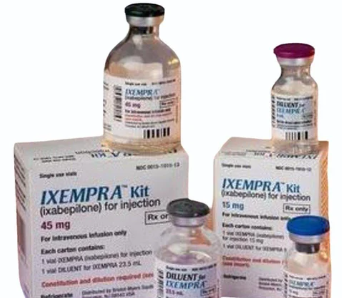
From the perspective of clinical research trends, the efficacy of ixabepilone is mainly reflected in improving progression-free survival (PFS) and tumor control rate (DCR). Compared with conventional taxanes, ixabepilone is less susceptible to the influence of the multidrug resistance gene (MDR1) and can act on tumor cells that are ineffective with other chemotherapy. Studies have shown that in breast cancer patients who failed anthracyclines and taxanes, the treatment regimen of ixabepilone combined with capecitabine significantly extended the progression-free period of the patients, and the tumor volume of some patients was significantly reduced, showing a strong inhibitory effect on drug-resistant breast cancer.
Ixabepilone is also unique in its efficacy in patients with triple-negative breast cancer (TNBC). Due to the lack of expression of estrogen receptors, progesterone receptors and HER2 in TNBC, traditional hormone or targeted therapies are difficult to be effective. However, ixabepilone has shown a high response rate in these patients through a receptor-independent cytotoxic mechanism. Some overseas studies suggest using it as a first- or second-line alternative after chemotherapy failure, providing new treatment opportunities for refractory patients.
However, the use of ixabepilone also has certain toxic and side effects, the most common of which include neutropenia, peripheral neuropathy, fatigue and gastrointestinal reactions. The guideline recommends regular monitoring of blood and liver and kidney functions during use, and adjusting the dose according to adverse reactions to ensure safety.
Reference materials:https://www.drugs.com/mtm/ixabepilone.html
[ 免责声明 ] 本页面内容来自公开渠道(如FDA官网、Drugs官网、原研药厂官网等),仅供持有医疗专业资质的人员用于医学药学研究参考,不构成任何治疗建议或药品推荐。所涉药品可能未在中国大陆获批上市,不适用于中国境内销售和使用。如需治疗,请咨询正规医疗机构。本站不提供药品销售或代购服务。


