
.jpeg)
Everolimus (Afinitor) drug package insert content and correct use method introduction
1. Overview of Drugs
Everolimus (Everolimus) is an oral rapamycin derivative (mTOR inhibitor), which inhibits the Target of rapamycin complex 1 (mTORC1) plays an anti-proliferative role, regulates the cell cycle, thereby preventing the growth of tumor cells and abnormal cells. The drug was first developed by Novartis (Novartis) and is widely used in tumor treatment and organ transplantation immunosuppression.
Everolimus is mainly used clinically for:
1.Solid tumor treatment: including advanced renal cell carcinoma (RCC), breast cancer (HR+/HER2-), pancreatic neuroendocrine tumors (pNET), etc.
2.Immunosuppression in transplant patients: preventing rejection after liver, kidney and heart transplantation.
3.Rare diseases: such as tuberous sclerosis-related kidney tumors and brain hemangiomas.
Everolimus is absorbed through oral administration, and its half-life is about 30 hours. It can be taken every day or every other day, making it convenient for patients to manage it at home for a long time. Its mechanism of action enables it to directly inhibit tumor growth and indirectly inhibit tumor angiogenesis in anti-tumor treatment, thereby improving the therapeutic effect.
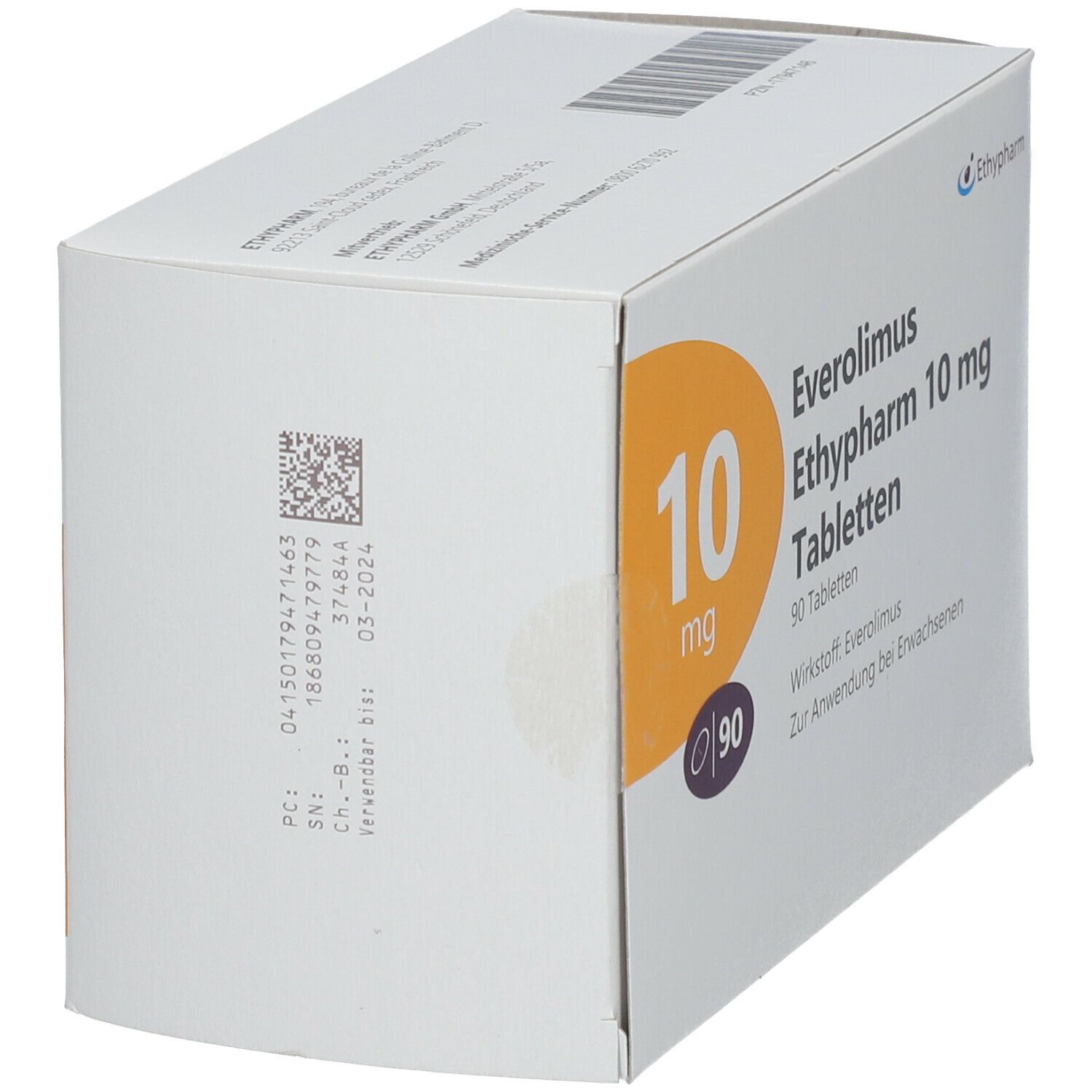
2. Drug specifications and usage
Everolimus is mainly available in two dosage forms: capsules and oral solution. Common specifications include:
Capsules: 2.5mg, 5mg, 7.5mg, 10mg
Oral solution:0.5mg/mL
The dosage varies depending on the type of disease and the patient's physical condition. For example, the recommended starting dose for patients with advanced renal cell carcinoma is 10 mg dailyOnce, the starting dose for kidney transplant patients is usually 1.5-3 mg once a day and adjusted according to the blood concentration.
Correct way to take it:
Everolimus should be swallowed whole and should not be crushed, chewed or dissolved to avoid affecting drug release and absorption.
It can be taken with food or on an empty stomach, but it is recommended to take the medicine at a fixed time every day to keep the blood concentration stable. If you have stomach discomfort when taking it on an empty stomach, you can choose to take it with a small amount of food, but avoid high-fat meals to avoid affecting absorption.
If you miss a dose, you should take it as soon as possible. However, if it is close to the next dose time, skip the missed dose and do not take a double dose at one time.
3. Adverse reactions and precautions
Everolimus has many adverse reactions and needs to be monitored strictly in accordance with medical instructions. Common adverse reactions include:
Blood system: anemia, thrombocytopenia, leukopenia
Digestive system: mouth ulcers, diarrhea, nausea, indigestion
Metabolic abnormalities: elevated blood sugar, hyperlipidemia
Increased risk of infection: including respiratory tract infections, urinary tract infections, etc.
Serious adverse reactions include lung inflammation, abnormal liver function, serious infection and thrombosis. Therefore, patients should undergo routine blood tests, liver and kidney function, blood sugar, and blood lipid baseline tests before taking the drug, and review them regularly during treatment. If high fever, persistent cough, jaundice, abnormal bleeding or severe oral ulcers occur, you should contact your doctor promptly and adjust the dose or discontinue the drug if necessary.
In addition, everolimus has significant interactions with CYP3A4 inhibitors or inducers. It is necessary to avoid using it with some antifungal drugs, antiviral drugs and certain anti-epileptic drugs to prevent the blood concentration from increasing or decreasing. Pregnant and lactating women should not use it. Patients planning pregnancy must take effective contraceptive measures.
4. Medication management and patient guidance
Everolimus is a long-term oral drug, and patients must strictly follow the doctor's instructions to take it. The following are key medication guidelines:
1.Regular monitoring: Check blood routine, liver and kidney function and blood drug concentration every month in the early stage of treatment. Long-term medication can extend the monitoring interval.
2.Dosage adjustment: Based on blood drug concentration, adverse reactions and efficacy evaluation, doctors can increase or decrease the dose appropriately to avoid self-adjustment.
3.Combination medication precautions: Avoid concurrent use with strongCYP3A4 inhibitors or inducers, and pay attention to drug-drug interactions.
4.Life management: Maintain good oral hygiene, exercise moderately, and pay attention to a balanced diet during treatment to reduce the chance of infection.
Long-term follow-up and standardized management can effectively reduce the risk of adverse reactions and improve the efficacy of everolimus treatment. For cancer patients, everolimus can delay disease progression and improve quality of life; for transplant patients, it can effectively prevent rejection and prolong organ survival.
Everolimus (Everolimus), as a mTOR inhibitor, has clear anti-tumor and immunosuppressive effects and is widely used in the treatment of solid tumors, transplantation and rare diseases. Through standardized dosage, correct medication method and regular monitoring, the risk of adverse reactions can be reduced while ensuring the efficacy. Patients should use it under the guidance of a professional doctor and reasonably arrange medication time, dosage and follow-up examinations to achieve the best therapeutic effect.
Reference link:https://www.drugs.com
[ 免责声明 ] 本页面内容来自公开渠道(如FDA官网、Drugs官网、原研药厂官网等),仅供持有医疗专业资质的人员用于医学药学研究参考,不构成任何治疗建议或药品推荐。所涉药品可能未在中国大陆获批上市,不适用于中国境内销售和使用。如需治疗,请咨询正规医疗机构。本站不提供药品销售或代购服务。


