
.jpeg)
Analysis of the functions, efficacy and indications of sparsentan
1. Drug introduction and mechanism of action
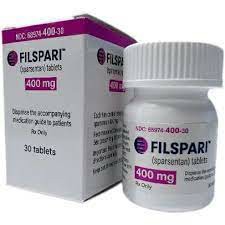
Sparsentan (Sparsentan) is an innovative oral small molecule drug developed by Travere Therapeutics (formerly Retrophin company). It is a dual-action receptor antagonist that can inhibit both angiotensin II Type 1 Receptor (AT1R) and endothelin A Receptor (Endothelin A Receptor, ETA). This dual mechanism gives it significant advantages in controlling proteinuria and delaying the decline of renal function.
Specifically, angiotensinII receptor antagonism can reduce intraglomerular pressure, improve glomerular filtration membrane tension, and reduce glomerulosclerosis and proteinuria; while endothelinA receptor antagonism can inhibit vasoconstriction, anti-inflammation and anti-fibrosis, thereby protecting renal tissue from chronic damage. This dual-targeting effect has unique advantages in patients whose proteinuria cannot be adequately controlled by a single RAAS inhibitor (such as ACEI or ARBs) and is the core feature that distinguishes sparsentan from traditional renal protection drugs.
2. Main functions and clinical effects
The main clinical efficacy of sparsentan is to reduce proteinuria and delay the decline of renal function. Proteinuria is an important risk factor for chronic kidney disease, especially primary glomerular disease, and is closely related to the deterioration of renal function and the risk of end-stage renal disease (ESRD). Clinical studies have shown that sparsentan can significantly reduce urinary protein/creatinine ratio (UPCR) in the short term compared with simple ACEI or ARB, the reduction of proteinuria is greater, and at the same time, it can delay the decline of glomerular filtration rate (eGFR) in long-term follow-up.
In addition, sparsentan's dual mechanism can also reduce renal fibrosis and inflammatory response, improve glomerular and renal interstitial structure, thereby protecting renal function while delaying disease progression. For high-risk patients, such as FSGS (focal segmental glomerulosclerosis) or IgA nephropathy with severe proteinuria, sparsentan has shown better efficacy and can reduce the probability of dialysis or kidney transplantation.
3. Indications and clinical application scope
Sparsentan has been approved by the U.S. Food and Drug Administration (FDA) for the treatment of adult patients with FSGS, especially those with proteinuria. Its indications mainly include:
PrimaryFSGS (Focal Segmental Glomerulosclerosis): For patients with poor response to conventionalRAAS inhibitors or who are at high risk for persistent proteinuria.
IgAKidney disease (IgAN): Phase III clinical trials are ongoing. Studies have shown that it also has good efficacy in IgAN patients with high proteinuria, and the indications may be expanded in the future.
In clinical use, sparsentan is often used as a single agent or in combination with other RAAS inhibitors for proteinuria control and renal protection. Patients experienced faster improvement in proteinuria and slower decline in kidney function while taking sparsentan compared with conventional medications, resulting in improved overall prognosis and quality of life.
4. Safety and medication precautions
Oral administration of sparsentane is well tolerated, but the following should be noted:
1.Common adverse reactions: headache, dizziness, hypotension, edema, elevated blood potassium, etc.
2.Blood pressure and serum potassium monitoring: Due to its vasodilatory effect and RAAS inhibitory properties, patients need to regularly monitor blood pressure and serum potassium levels to prevent hypotension or hyperkalemia.
3.Renal function monitoring: In the early stage of treatment, it is recommended to monitor serum creatinine and eGFR monthly, especially in patients with renal insufficiency, so that the dosage can be adjusted in time.
4.Liver function and drug interactions: Sparsentan is mainly metabolized by the liver. When co-administering CYP3A inhibitors or inducers, attention should be paid to drug concentration changes.
Clinically, it is recommended that the initial dose be adjusted individually according to the patient's renal function and blood pressure, and gradually reach the maintenance dose to take into account both efficacy and safety. During the treatment period, patients need to follow the doctor's advice for regular follow-up visits to ensure that the therapeutic effect is sustained and adverse reactions are controllable.
In general, sparsentan is an innovative dual receptor antagonist drug for renal hyperalbuminuria. It achieves effective control of proteinuria and protection of renal function by jointly inhibiting angiotensinII receptors and endothelinA receptors. It has shown significant efficacy in patients with FSGS and high-risk IgA kidney disease and is an important complement to traditional RAAS inhibitors. Reasonable usage and dosage, regular monitoring of blood pressure, electrolytes and renal function, and individualized dose adjustment are the keys to ensuring that patients obtain curative effects while minimizing risks. With the further advancement of clinical research, sparsentan has broad application prospects in the field of chronic kidney disease and may become one of the important drugs for the long-term management of high-risk proteinuria patients.
Reference link:https://www.drugs.com
[ 免责声明 ] 本页面内容来自公开渠道(如FDA官网、Drugs官网、原研药厂官网等),仅供持有医疗专业资质的人员用于医学药学研究参考,不构成任何治疗建议或药品推荐。所涉药品可能未在中国大陆获批上市,不适用于中国境内销售和使用。如需治疗,请咨询正规医疗机构。本站不提供药品销售或代购服务。


