
.jpeg)
Estramustine (Adelox) detailed instructions and correct dosage instructions
1. Drug introduction and mechanism of action
Estramustine (Estramustine phosphate, EMP) is an estrogen-derived anti-tumor drug. Its structure consists of **estradiol and the alkylating agent nor-nitrogen (nor-nitrogen mustard)** combined. The drug has dual effects: on the one hand, it inhibits tumor cell mitosis by binding to tubulin, preventing tumor cells from dividing and proliferating normally; on the other hand, the estrogen component in the drug can interfere with the growth of androgen-dependent tumors (especially prostate cancer), thus enhancing the anti-tumor efficacy.
Estramustine is used primarily for the treatment of advanced prostate cancer, especially in patients who have responded poorly to or have progressed to androgen-blocking therapy (such as castration or androgen receptor antagonists). The drug is metabolized by the liver to generate active ingredients in the body, and is enriched in tumor tissue to exert a local anti-proliferative effect. Compared with traditional alkylating agents, the toxicity of estramustine is relatively controllable, but its use still needs to be strictly monitored.
2. Indications and scope of use
1.Main indications
Advanced or metastatic prostate cancer (especially in patients who have failed to respond to castration or androgen receptor antagonist therapy);
Some studies have shown that it is more effective in patients with bone metastasis or obvious urethral symptoms and can delay the progression of the disease.
2.Users
Adult male patients are the main target group;
It is generally not suitable for female patients because the drug contains estrogen and has obvious hormone-related side effects.
3.Combined medication
In clinical practice, estramustine is often used in combination with other anti-androgen drugs or chemotherapy regimens to enhance the efficacy;
Monotherapy can also be used in patients who cannot tolerate multidrug regimens.
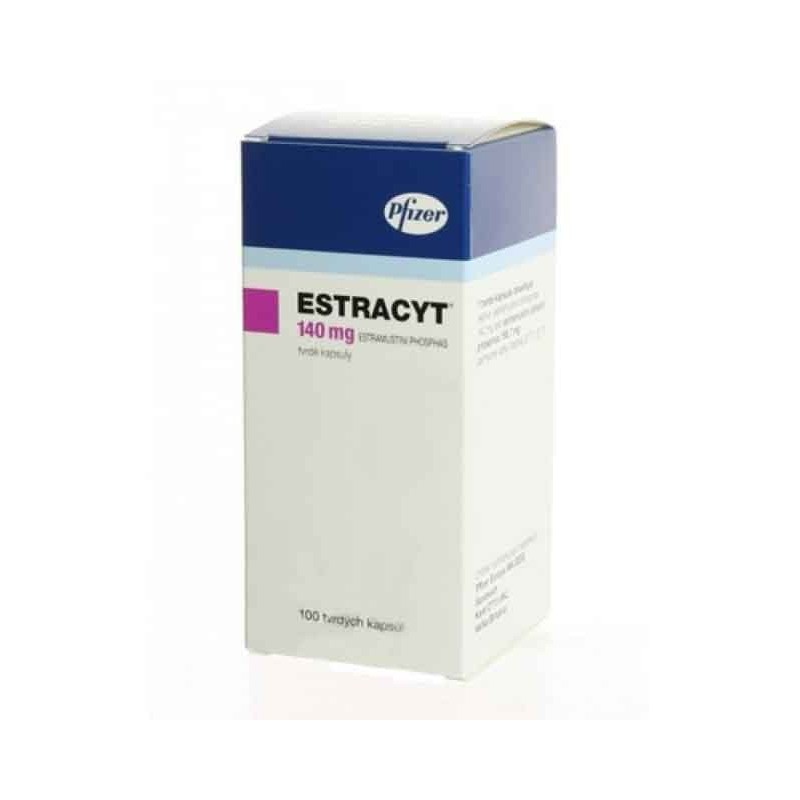
3. Usage, dosage and correct dosage guidance
1.Dosage and administration method
Estramustine is usually taken as an oral tablet;
The usual adult dose is 1,200 mg to daily1,600 mg, divided into 2 to 3 times orally. The specific dose needs to be adjusted according to the patient's weight, kidney and liver function, and tolerance;
To ensure drug absorption, it can be taken after meals to avoid gastrointestinal discomfort caused by fasting.
2. Precautions when taking medicine
Follow the doctor's advice when taking medication: Do not increase or decrease the dose or stop medication early to avoid affecting the efficacy or increasing toxicity;
Medication time: It is best to take it at a fixed time every day to ensure stable blood concentration;
Instructions for swallowing: Swallow the tablet whole and avoid crushing or chewing to prevent the drug from being released too quickly and causing gastrointestinal discomfort.
3.Treatment course and monitoring
The general course of treatment is continuous use for several weeks to several months, and doctors will evaluate the efficacy based onPSA levels, tumor burden and imaging examinations;
During the period of medication, blood routine, liver function, kidney function and blood lipid levels need to be monitored regularly, and the dose should be adjusted or the medication discontinued if necessary.
4. Common side effects and risk management
1. Hormone-related side effects
Because the medicine contains estrogen, patients may experience breast swelling, breast pain, loss of sexual desire, impotence, or edema;
Long-term use can increase the risk of blood clots and venous embolism, so high-risk patients need to be alert to symptoms such as leg swelling, difficulty breathing, or chest pain.
2.Blood system
May cause mild to moderate anemia or thrombocytopenia, requiring regular blood routine monitoring;
When obvious blood cell reduction occurs, the medication should be suspended or the dose should be adjusted.
3. Effects on liver and kidney function
Drugs are metabolized in the liver and may cause elevated transaminases or jaundice;
Patients with renal insufficiency should use it with caution and adjust the dosage under the guidance of a doctor.
4.Gastrointestinal reactions
Common symptoms such as nausea, vomiting, loss of appetite, and diarrhea;
It can be relieved by taking medicine after meals, taking small amounts in divided doses, or symptomatic drugs.
5. Medication safety tips and life management
1.Thrombus protection
High-risk patients should avoid prolonged bed rest or sitting in combination with anticoagulation or preventive measures;
If you notice leg swelling, pain, or abnormal breathing, seek medical attention immediately.
2.Regular follow-up visits
During treatment, PSA, liver and kidney function and blood routine should be reviewed regularly to evaluate the efficacy and drug safety;
Based on efficacy and tolerability, the doctor may adjust the dose or discontinue the medication.
3.Lifestyle management
Avoid smoking and excessive drinking, maintain a reasonable diet and exercise moderately;
Pay attention to maintaining blood circulation in the lower limbs, and wear elastic stockings to prevent venous thrombosis when necessary.
As an estrogen-derived anti-tumor drug, estramustine has unique advantages in the treatment of advanced prostate cancer. It can inhibit tumor cell division and improve symptoms. However, due to the hormonal and chemotherapeutic properties of the drug, there are risks such as blood clots, effects on liver and kidney function, and sex hormone-related side effects. Patients must strictly follow the doctor's instructions during use, take medications on time, regularly monitor blood and liver and kidney functions, and combine lifestyle management and safety protection measures to achieve maximum efficacy and minimum risks.
Reference link:https://www.drugs.com
[ 免责声明 ] 本页面内容来自公开渠道(如FDA官网、Drugs官网、原研药厂官网等),仅供持有医疗专业资质的人员用于医学药学研究参考,不构成任何治疗建议或药品推荐。所涉药品可能未在中国大陆获批上市,不适用于中国境内销售和使用。如需治疗,请咨询正规医疗机构。本站不提供药品销售或代购服务。


