
.jpeg)
Detailed introduction to the common side effects of Febuxostat (Febuxostat) and how to deal with them when they occur
1. Drug introduction and mechanism of action
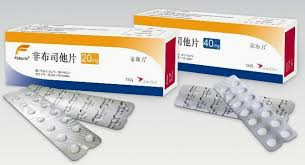
Febuxostat (Febuxostat) is an oral non-purine xanthine oxidase inhibitor, mainly used for the long-term management of hyperuricemia and gout. By selectively inhibiting xanthine oxidase, febuxostat can block the metabolism of purine into uric acid, thereby effectively reducing serum uric acid levels and preventing tophi deposition and acute gout attacks. Compared with traditional allopurinol (Allopurinol), febuxostat is less dependent on renal function and is more suitable for some patients with impaired renal function.
Although febuxostat has clear efficacy, certain adverse reactions may still occur during clinical use. Understanding its common side effects and how to deal with them can help patients carry out long-term treatment safely and effectively.
2. Common side effects and manifestations
1.Gastrointestinal reactions
Including nausea, diarrhea, abdominal pain, indigestion, etc. Most symptoms are mild to moderate, usually appearing in the early stages of medication, and can be gradually relieved as the body adapts.
Clinical tip: Taking medicine after meals or taking small amounts in divided doses can effectively reduce symptoms.
2.Abnormal liver function
Elevated serum aminotransferases (ALT, AST) are the more common laboratory abnormalities with febuxostat. Some patients may develop jaundice, fatigue, or decreased appetite.
Clinical tip: Liver function should be tested before medication and reviewed regularly during treatment. If obvious abnormalities in liver function indicators occur, medication should be suspended and medical guidance should be sought.
3.Risk of cardiovascular events
Some studies suggest that febuxostat may be slightly associated with the incidence of adverse cardiovascular events (such as myocardial infarction, heart failure), especially in patients with pre-existing cardiovascular disease.
Clinical tip: Patients with cardiovascular diseases need to regularly monitor blood pressure, electrocardiogram and cardiac function, and follow the doctor's guidance to adjust the treatment plan.
4.Skin allergic reaction
Including rash, itching, erythema, etc., a very small number of patients may experience severe allergic reactions (such asStevens-Johnson syndrome).
Clinical tip: Once obvious rash or systemic allergy symptoms occur, the drug should be stopped immediately and seek medical treatment.
5.Other adverse reactions
Symptoms such as headache, joint pain, mild fever, and fatigue are less common and are mostly reversible.
Clinical tip: Generally, no special treatment is required, but you should pay attention to changes in symptoms and communicate with your doctor in a timely manner.
3. How to deal with side effects after they occur
1.Gastrointestinal reaction management
Febuxostat can be taken with food or in divided doses to reduce gastrointestinal discomfort;
If necessary, auxiliary treatment with antacids or probiotics can be used;
If symptoms persist or worsen, you should contact your doctor to adjust the dose or consider changing medications.
2.Treatment of abnormal liver function
Liver function needs to be reviewed regularly before medication, during medication1-3 months and during long-term treatment;
If transaminase is elevated≥3 times the normal value or jaundice occurs, the drug should be stopped immediately and liver function protection treatment should be carried out;
After liver function recovers, you can re-evaluate whether to continue using or changing drugs under the guidance of a doctor.
3.Cardiovascular risk management
Patients with hypertension, coronary heart disease, and heart failure need to monitor their cardiac function regularly;
If symptoms such as chest pain, palpitations, or difficulty breathing occur, seek medical attention immediately;
Physicians may adjust febuxostat dose or choose an alternative medication based on cardiovascular risk assessment.
4.Skin allergies and serious adverse reactions treatment
Once rash, itching, or erythema occurs, the drug should be stopped immediately and anti-allergic drugs should be used;
Severe allergies or systemic symptoms (such as difficulty breathing, edema) require emergency medical treatment;
It is not recommended to self-medicate or continue to observe to avoid worsening of the condition.
5.Management of other adverse reactions
Mild symptoms such as headache and fatigue can be relieved by rest and symptomatic treatment;
If the discomfort persists or affects the quality of life, you should report it to the doctor in time and adjust the treatment plan if necessary.
4. Medication safety guidance and summary
1.Standard medication use
Febuxostat should be taken orally on time and according to the dosage as directed by the doctor, and the dosage should not be increased or decreased without authorization;
When combined with other urate-lowering drugs or nephrotoxic drugs, the medication regimen should be adjusted under the guidance of a doctor.
2.Regular monitoring
Blood uric acid levels, liver and kidney function, blood pressure and cardiac function should be reviewed regularly;
Especially elderly patients and patients with multiple chronic diseases need to pay more attention to their heart, liver and kidney function.
3.Lifestyle management
Avoid high-purine diet and excessive drinking, maintain a reasonable daily routine and moderate exercise;
Increase water intake and promote uric acid excretion, which can help reduce the risk of gout attacks.
Generally speaking, febuxostat is an effective and relatively safe urate-lowering drug, but you still need to pay attention to side effects such as abnormal liver function, gastrointestinal discomfort, cardiovascular events, and allergic reactions during use. Through standardized medication, regular monitoring and scientific lifestyle management, most patients can use it safely and for a long time to significantly reduce blood uric acid levels, prevent gout attacks and related complications, and improve their quality of life.
Reference link:https://www.drugs.com
[ 免责声明 ] 本页面内容来自公开渠道(如FDA官网、Drugs官网、原研药厂官网等),仅供持有医疗专业资质的人员用于医学药学研究参考,不构成任何治疗建议或药品推荐。所涉药品可能未在中国大陆获批上市,不适用于中国境内销售和使用。如需治疗,请咨询正规医疗机构。本站不提供药品销售或代购服务。


