
.jpeg)
Common side effects of ixazomib (Enleri) and patient medication safety guidance
1. Drug introduction and mechanism of action
Ixazomib (Ixazomib) is an oral proteasome inhibitor (PI) developed by Takeda PharmaceuticalR&D for the treatment of **patients with relapsed or refractory multiple myeloma (Multiple Myeloma, MM)**. Compared with traditional injectable proteasome inhibitors (such as bortezomib), ixazomib offers the convenience of oral administration while retaining its core role of inhibiting the 26S proteasome. By inhibiting proteasome activity, ixazomib can block the protein degradation pathway of myeloma cells, leading to abnormal protein accumulation, inducing tumor cell apoptosis, thereby controlling disease progression.
Ixazomib is usually used in combination with lenalidomide (Lenalidomide) and dexamethasone (Dexamethasone) to form the IRd regimen, which is a commonly used standard treatment regimen for patients with relapsed or refractory multiple myeloma. Its oral form improves patient compliance and is especially suitable for patients with long-term maintenance treatment or those who are inconvenient to frequently go to the hospital for infusions.
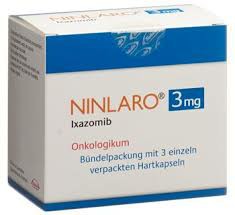
2. Common side effects of ixazomib
Although ixazomib is generally well tolerated, it may still cause a variety of adverse reactions, and patients should pay attention to it during use. According to clinical trials and real-world data, its common side effects mainly include the following categories:
1.Hematological toxicity
Thrombocytopenia, leukopenia, and anemia are the most common hematological adverse reactions. Patients may experience bleeding, bruising, fatigue, or an increased risk of infection.
It is recommended to monitor blood routine regularly during medication and adjust the dose or temporarily stop medication if necessary.
2.Gastrointestinal reactions
Nausea, vomiting, diarrhea, and constipation are common. Mild to moderate patients can be treated with dietary adjustments, oral antiemetics, or fluid rehydration.
Maintaining fluid intake, eating small and frequent meals, and avoiding irritating foods can effectively relieve symptoms.
3.Nervous system and peripheral neuropathy
Some patients may experience numbness, tingling, and abnormal sensation in their hands and feet, especially when combined with other proteasome inhibitors or used for a long time.
Symptoms should be reported to the doctor promptly. If necessary, dose adjustment or symptomatic treatment (such as vitamin B family supplementation) should be taken.
4.Increased risk of infection
Immune suppression may lead to upper respiratory tract infections, pneumonia, or shingles.
Patients are advised to receive necessary vaccinations (such as the shingles vaccine), maintain personal hygiene, and seek prompt medical attention if they develop fever or symptoms of infection.
5.Other adverse reactions
Including fatigue, headache, rash, abnormal liver function, etc. Most are mild to moderate and can be relieved with supportive treatment.
3. Medication safety guidance
To maximize efficacy and reduce the risk of side effects, patients should follow the following safety guidelines when using ixazomib:
1.Standard medication use
Ixazomib is usually taken orally once a week. It is recommended to take the medication at a fixed time (usually on an empty stomach or 2 hours after a meal) to avoid missing or repeated doses.
When combined with lenalidomide and dexamethasone, the dosage and order of administration should be adjusted strictly in accordance with the doctor's prescription.
2.Regular monitoring
Blood routine, liver and kidney function and blood pressure should be reviewed regularly to detect potential side effects in a timely manner.
For patients who experience a decrease in platelets or leukocytes, the dose should be adjusted or the drug temporarily discontinued as directed by the physician.
3.Side Effect Management
For gastrointestinal reactions, patients can use antiemetics or antidiarrheals under the guidance of a doctor.
For peripheral neuropathy, symptoms can be relieved through lifestyle adjustments, physical therapy and vitamin B supplementation.
If symptoms of infection occur, you should seek medical advice as soon as possible and do not self-medicate.
4.Lifestyle advice
Get enough rest and eat properly to enhance your immunity.
Avoid concurrent use with other immunosuppressive drugs or over-the-counter drugs to prevent drug interactions.
Pay attention to skin and oral care to prevent infection and bleeding.
5.Psychological and life management
Long-term treatment may cause anxiety or mood swings. Patients are advised to maintain a good mental state and seek support from family members or psychologists.
Follow up regularly to understand changes in condition and treatment effects.
Ixazomib, an oral proteasome inhibitor, provides a convenient and effective treatment option for patients with relapsed or refractory multiple myeloma. Although adverse reactions such as hematological toxicity, gastrointestinal reactions, peripheral neuropathy and infection may occur, most patients can use it safely under standardized monitoring and supportive treatment. Through regular review, reasonable dose adjustment and lifestyle management, patients can achieve long-term efficacy while ensuring safety.
Overall, the oral advantages and good efficacy of ixazomib make it irreplaceable in the treatment of multiple myeloma, especially for patients who require long-term maintenance treatment or who are inconvenient to be hospitalized frequently. At the same time, close communication and scientific management between doctors and patients are the key to ensuring the safety and efficacy of treatment.
Reference link:https://www.drugs.com
[ 免责声明 ] 本页面内容来自公开渠道(如FDA官网、Drugs官网、原研药厂官网等),仅供持有医疗专业资质的人员用于医学药学研究参考,不构成任何治疗建议或药品推荐。所涉药品可能未在中国大陆获批上市,不适用于中国境内销售和使用。如需治疗,请咨询正规医疗机构。本站不提供药品销售或代购服务。


