
.jpeg)
How long does it usually take for adagrasib (Krazati) to take effect and the key factors affecting its efficacy
Adagrasib (Adagrasib, trade name Krazati) is a highly selective, oral KRAS G12C inhibitor, mainly used to treat advanced or metastatic patients with KRAS G12Cmutated non-small cell lung cancer (NSCLC) and some colorectal cancer patients. As a similar targeted drug approved after sotoracib, adagrasiib has certain advantages in terms of persistence of efficacy and maintenance time of blood concentration, making it one of the clinically important precision treatment options.
In clinical studies and actual use, the onset of action of adagrasib is usually relatively rapid. Some patients can observe tumor shrinkage or stable condition through imaging examination within 2 to 4 weeks after taking the drug; for patients with obvious symptoms, such as cough, chest tightness, fatigue, etc., relief often occurs within 1 month. According to public clinical trial data, some patients achieved objective response (ORR) in the first evaluation cycle (about 6 weeks), which shows that the drug has a rapid effect in controlling the disease and helps improve patients' short-term quality of life.
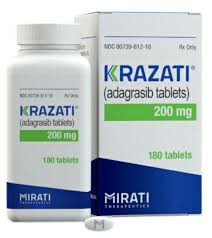
The efficacy of adagrasib is affected by many factors. The first is the KRAS G12C mutation load and the combination of other genetic mutations, such as TP53, STK11 and other co-mutations that may affect the drug response rate. Secondly, the patient's liver and kidney function, drug metabolism ability, and combined use of gastric acid inhibitors and other drugs will also affect blood drug concentration and efficacy. In addition, the patient's tumor stage, metastasis site (especially brain metastasis), previous treatment history, and systemic status score (ECOG) will also have an important impact on the speed of onset of effect and duration of treatment.
When using adagrasiib for treatment, doctors should develop an individualized treatment and monitoring plan based on the patient's molecular test results, underlying health conditions, and concomitant medications. Regular imaging review and liver and kidney function testing can help timely evaluate the efficacy and adjust the plan. In the future, as the combination strategy of adagrasib with immunotherapy and other targeted drugs continues to advance, its onset speed and long-term efficacy are expected to be further improved, bringing more treatment possibilities to patients with KRAS G12C mutations.
Reference link:https://www.drugs.com
[ 免责声明 ] 本页面内容来自公开渠道(如FDA官网、Drugs官网、原研药厂官网等),仅供持有医疗专业资质的人员用于医学药学研究参考,不构成任何治疗建议或药品推荐。所涉药品可能未在中国大陆获批上市,不适用于中国境内销售和使用。如需治疗,请咨询正规医疗机构。本站不提供药品销售或代购服务。


