
.jpeg)
Therapeutic effects and medication precautions of capmatinib (Touradda) on elderly patients with lung cancer
Capmatinib (Capmatinib) is a highly selective MET inhibitor, mainly used for the treatment of thyroid cancerMETExon14 patients with non-small cell lung cancer (NSCLC) skipping mutations. As the incidence of lung cancer increases among the elderly, the application of precise targeted therapy in elderly patients has received increasing attention. Compared with traditional chemotherapy, capmatinib has a faster onset of action and better tolerance. It is especially clinically valuable for elderly patients with weak physical conditions and many comorbidities.
Multiple clinical trials have shown that capmatinib also has good therapeutic effects in elderly patients with lung cancer. For patients ≥65 years old with MET mutations, the objective response rate (O RR) can reach more than 60%, and some patients can observe significant tumor shrinkage 1 to 2 months after treatment. Especially in the newly treated population, capmatinib has a high disease control rate, can effectively delay the progression of the disease, improve common symptoms of lung cancer such as cough, chest pain, and dyspnea, and improve the quality of life.
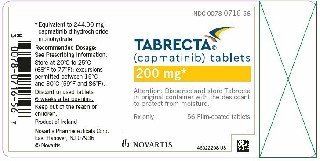
When elderly patients use capmatinib, liver function, renal function and cardiopulmonary status should be closely monitored. Since the elderly are often accompanied by a variety of chronic diseases and long-term medication histories, they need to be vigilant about drug-drug interactions and avoid simultaneous use with strong CYP3A inhibitors or inducers. During treatment, blood tests and imaging evaluations should be performed regularly to detect drug-related adverse reactions in a timely manner, such as edema, elevated liver enzymes, nausea, fatigue, etc., and adjust the dose or suspend medication if necessary.
For elderlyNSCLC patients who meet the genetic mutation requirements, capmatinib is a safe and effective treatment option. During the medication process, doctors should formulate an individualized plan based on the patient's age, physiological reserve and comorbidities, follow up closely and provide supportive treatment. Reasonable and standardized medication management can help maximize the efficacy of capmatinib, prolong patient survival time, and maintain a good quality of life.
Reference link:https://www.drugs.com
[ 免责声明 ] 本页面内容来自公开渠道(如FDA官网、Drugs官网、原研药厂官网等),仅供持有医疗专业资质的人员用于医学药学研究参考,不构成任何治疗建议或药品推荐。所涉药品可能未在中国大陆获批上市,不适用于中国境内销售和使用。如需治疗,请咨询正规医疗机构。本站不提供药品销售或代购服务。


