
.jpeg)
The main differences between ixazomib (Enleri) and bortezomib and analysis of applicable populations
Ixazomib (Ixazomib) and bortezomib (Bortezomib) are both proteasome inhibitors. Myeloma, MM) are commonly used targeted drugs in the treatment, but there are certain differences between them in terms of chemical structure, administration method, efficacy and safety. These differences directly affect their clinical indications and applicable populations. The following will provide a detailed analysis of the mechanism of action, pharmacokinetics, comparison of efficacy, and applicable groups.
First of all, from the perspective of their mechanism of action, both ixazomib and bortezomib induce apoptosis in multiple myeloma cells by inhibiting 26S proteasome activity and blocking the protein degradation pathway. Bortezomib is a reversible proteasome inhibitor that mainly works by inhibiting the β5 subunit, leading to abnormal protein accumulation and stress response in tumor cells, thereby inducing apoptosis. In contrast, ixazomib is an orally absorbable small molecule proteasome inhibitor with higher targeting ability, acting on the β5 subunit and binding more specifically, and at the same time, its toxicity to normal cells is relatively low. This property gives ixazomib certain advantages in long-term maintenance treatment, especially for patients who require long-term management of their condition.
Second, there are significant differences in pharmacokinetics and modes of administration. Bortezomib is traditionally administered by intravenous or subcutaneous injection once a week or every two weeks. Patients need to go to the hospital to receive infusion, and treatment depends on medical institutions. Ixazomib is an oral preparation that patients can take at home, which greatly improves the convenience and compliance of treatment. In addition, the oral administration mode of ixazomib reduces injection-related adverse events, such as injection site reactions and infection risks, reduces the frequency of medical visits, and improves patients' quality of life.
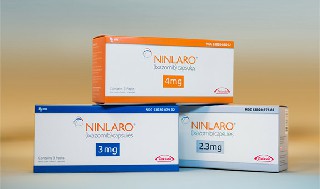
Third, in terms of efficacy and side effects, clinical studies show that the response rates of the two are roughly equivalent, but the spectrum of adverse reactions is different. Common adverse reactions of bortezomib include peripheral neuropathy, thrombocytopenia, fatigue and gastrointestinal reactions, while ixazomib shows lower neurotoxicity, but may cause gastrointestinal discomfort, hematological toxicity and rash. For patients with severe peripheral neuropathy or those who require long-term maintenance therapy, ixazomib may be more suitable, while bortezomib is more suitable for treatment-naïve patients or cases that require rapid induction of remission.
Finally, from the analysis of the applicable population, bortezomib is suitable for patients with newly treated or relapsed refractory multiple myeloma. It can be used alone or in combination with other drugs, such as lenalidomide or dexamethasone. Ixazomib is mostly used as an oral regimen for relapsed or refractory patients. It is especially suitable for patients who cannot frequently go to the hospital for infusion, or as maintenance therapy for long-term disease management after induction therapy. At the same time, elderly patients, those with limited mobility, or those with poor tolerance to injections may also be given priority to ixazomib to reduce the burden of treatment.
In summary, although ixazomib and bortezomib are both proteasome inhibitors, they have significant differences in structure, administration mode, toxicity spectrum and applicable population. Clinically, the most appropriate drug should be selected based on the patient's condition, previous treatment, age and living conditions to achieve a balance between optimal efficacy and minimal side effects. At the same time, fully considering the differences between the two in combined treatment plans, maintenance treatment strategies, and individualized dose adjustments will help improve patients' treatment compliance and overall quality of life.
Reference materials:https://www.drugs.com/
[ 免责声明 ] 本页面内容来自公开渠道(如FDA官网、Drugs官网、原研药厂官网等),仅供持有医疗专业资质的人员用于医学药学研究参考,不构成任何治疗建议或药品推荐。所涉药品可能未在中国大陆获批上市,不适用于中国境内销售和使用。如需治疗,请咨询正规医疗机构。本站不提供药品销售或代购服务。


