
.jpeg)
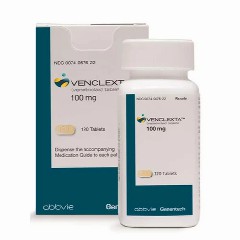
Detailed instructions and medication instructions for Venetoclax/Venetoclax (Vekela)
Venetoclax (Venetoclax, also known as venetoclax) is an oral small moleculeBCL-2 inhibitor Agent, mainly used to treat chronic lymphocytic leukemia (CLL), acute myeloid leukemia (AML) and other specific blood tumors. Its pharmacological effect is to achieve anti-tumor effects by selectively inhibiting the function of BCL-2 protein and promoting programmed apoptosis of tumor cells. BCL-2The protein is overexpressed in many malignant hematological tumors and is an important mechanism for tumor cells to escape apoptosis. Therefore, the emergence of venetoclax provides a new treatment option for such patients.
In terms of medication guidance, venetoclax is usually administered orally, and the specific dosage needs to be adjusted individually based on the patient's disease type, renal function, liver function, and concomitant medications. In CLL patients, a stepwise dose escalation (ramp-up) strategy is generally used to reduce the risk of tumor lysis syndrome (TLS). Patients need to undergo hematological tests before treatment to evaluate white blood cell count, electrolyte levels and renal function. If necessary, prevention can be carried out through intravenous fluid rehydration and the use of drugs such as allopurinol. Dose escalation usually starts from 20mg and is gradually increased every week until reaching the target dose, such as 400mg/day, but the specific dose needs to be adjusted according to the doctor's advice.
In clinical use, common adverse reactions of venetoclax include tumor lysis syndrome, bone marrow suppression (such as neutropenia, thrombocytopenia), increased risk of infection, gastrointestinal reactions (such as nausea, vomiting, diarrhea), fatigue, and fever. In response to these adverse reactions, patients should closely monitor blood indicators and regularly review kidney and liver function. When bone marrow suppression occurs, the dose can be adjusted or the medication can be suspended according to the blood picture; when infection occurs, anti-infective treatment should be used promptly; digestive tract discomfort can be alleviated through dietary adjustments and symptomatic drugs. Doctors usually develop an individualized medication plan based on the patient's tolerance and blood condition.
Medicine safety with venetoclax also includes attention to drug interactions. This drug is primarily metabolized through the CYP3A pathway, so dosage adjustments may be required when used with CYP3A inhibitors or inducers. For example, when coadministered with strong CYP3A inhibitors (such as certain antifungals or antivirals), the dose should be halved or lower;The combined use of inducers (such as carbamazepine, rifampicin) may lead to a decrease in blood concentration and reduce efficacy. In addition, patients should avoid stopping the medication on their own or adjusting the dosage at will while taking the medication, so as not to affect the therapeutic effect or increase the risk of adverse events. During treatment, patients are recommended to maintain regular reexaminations, including hematology tests, electrolyte monitoring and necessary imaging evaluations, to ensure efficacy and safety.
In general, venetoclax is a highly selective targeted drug targeting the BCL-2 target and is suitable for patients with a variety of hematological tumors. Its use must strictly follow the dose escalation plan, closely monitor blood and electrolyte changes, and pay attention to drug interactions and adverse reaction management. Through standardized medication guidance and clinical monitoring, venetoclax can maximize its efficacy and provide new treatment options and survival benefits for CLL, AML and related patients.
Reference materials:https://www.drugs.com/
[ 免责声明 ] 本页面内容来自公开渠道(如FDA官网、Drugs官网、原研药厂官网等),仅供持有医疗专业资质的人员用于医学药学研究参考,不构成任何治疗建议或药品推荐。所涉药品可能未在中国大陆获批上市,不适用于中国境内销售和使用。如需治疗,请咨询正规医疗机构。本站不提供药品销售或代购服务。


