
.jpeg)
Detailed interpretation of the instructions for Lenvatinib/Lenvatinib (Lenvima) targeted drug
1. Common and product names
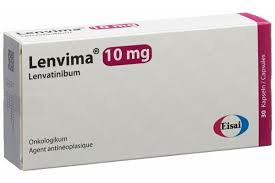
Lenvatinib/Lenvatinib (Lenvatinib) is an oral targeted anti-tumor drug with trade names including Lenvima and Lenvima. It is also called Lenvatinib or E7080 in some areas. As a multi-target receptor tyrosine kinase (RTK) inhibitor, lenvatinib can inhibit multiple signaling pathways related to tumor growth and angiogenesis, and is widely used in the clinical treatment of a variety of solid tumors.
2. Indications and Applicable Populations
Lenvatinib is indicated for adult patients with specific types of solid tumors:
1. Differentiated thyroid cancer (DTC): It is suitable for patients with local recurrence or metastasis, disease progression and resistance to radioactive iodine therapy.
2. Renal cell carcinoma (RCC): It can be used in combination with pembrolizumab for the first-line treatment of advanced renal cell carcinoma, and can also be used in combination with everolimus for advanced patients who have previously received one anti-angiogenic treatment.
3. Hepatocellular carcinoma (HCC): Suitable for first-line treatment of patients with unresectable hepatocellular carcinoma.
4. Endometrial cancer (EC): It can be used in combination with pembrolizumab for patients with advanced mismatch repair proficiency (pMMR) or non-microsatellite instability high (MSI-H). It is suitable for patients with disease progression after previous systemic therapy and who are not suitable for surgery or radiotherapy.
3. Main side effects
Common adverse reactions of lenvatinib include fatigue, joint and muscle pain, decreased appetite, weight loss, nausea, vomiting, oral ulcers, headache, rash, erythema and numbness of the palms and soles (PPE syndrome), hoarseness and stomach discomfort. After marketing, it was also found that some patients developed serious events such as pancreatitis, delayed wound healing, cholecystitis, nephrotic syndrome, and aneurysm, aortic dissection or rupture. Therefore, related symptoms need to be closely monitored during treatment.
4. How to take and dosage
1. Differentiated thyroid cancer: 24 mg once daily, until disease progression or intolerable toxicity occurs.
2. Renal cell carcinoma: daily first-line treatment20 mg, combined with intravenous infusion of pembrolizumab, once every three weeks; for previously treated patients, 18 mg daily, combined with everolimus.
3. Hepatocellular carcinoma: 12mg per day for patients with body weight ≥60kg; 8mg per day for patients <60kg, until disease progression or intolerable toxicity.
4. Endometrial cancer: 20 mg daily, combined with pembrolizumab intravenous infusion.
In terms of medication management, lenvatinib is provided in capsule form and should be taken at a fixed time every day, regardless of eating or not. Capsules should not be crushed or chewed. If you miss a dose and cannot take it within 12 hours, skip the dose and take it at the next normal time. For patients who are unable to swallow capsules, they can be taken as a suspension. Keep the capsule intact during operation, add a small amount of liquid and let it stand for disintegration, stir evenly, and then wash it with a small amount of liquid before taking it. The suspension can be refrigerated for short-term storage.
5. Storage requirements
Drugs should be storedin a dry environment at 20°C to 25°C (can vary from 15°C to 30°C), avoiding high temperature, humidity and light to ensure drug stability.
6. Pharmacological mechanism
Lenvatinib blocks tumor angiogenesis and cell proliferation by inhibiting angiogenesis-related receptors such as VEGFR1, VEGFR2, and VEGFR3, and also acts on signaling pathways such as FGFR1-4, PDGFRα, and RET, and inhibits tumor growth and progression. This multi-target mechanism enables it to exert broad efficacy in a variety of solid tumors.
7. Risk of overdose
Lenvatinib is highly bound to plasma proteins and cannot be dialyzed. Overdose may cause serious damage to multiple organ functions and may even be life-threatening. Therefore, you must strictly follow your doctor’s instructions and do not increase or decrease the dosage on your own.
Reference materials:https://www.lenvima.com/
[ 免责声明 ] 本页面内容来自公开渠道(如FDA官网、Drugs官网、原研药厂官网等),仅供持有医疗专业资质的人员用于医学药学研究参考,不构成任何治疗建议或药品推荐。所涉药品可能未在中国大陆获批上市,不适用于中国境内销售和使用。如需治疗,请咨询正规医疗机构。本站不提供药品销售或代购服务。


