
.jpeg)
Which generation of targeted drugs does afatinib (Gitari) belong to and analysis of its characteristics?
Afatinib (Afatinib) is a second-generation EGFR-TKI (epidermal growth factor receptor tyrosine kinase inhibitor) targeted drug, which is an oral small molecule irreversible inhibitor. Unlike first-generation targeted drugs such as gefitinib and erlotinib, afatinib not only inhibits common EGFR sensitive mutations, but also irreversibly binds to multiple members of the ErbB family, including EGFR (ErbB1 ), HER2 (ErbB2) and HER4 (ErbB4), thereby achieving a broader and more durable inhibitory effect at the molecular level. This mechanism allows it to also play a role in some drug-resistant patients and delay disease progression.
In terms of clinical indications, afatinib is mainly used to treat patients with locally advanced or metastatic non-small cell lung cancer (NSCLC) with EGFR sensitive mutations. Especially for patients with rare EGFR mutations (such as G719X, L861Q, S768I, etc.), afatinib has shown better efficacy than the first-generation TKI and is therefore recommended as the first-line treatment option for such patients in some guidelines. In addition, afatinib has also been used in patients with squamous cell lung cancer who have failed platinum-based chemotherapy, expanding its clinical application.
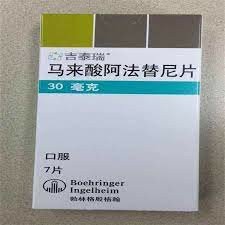
Compared with the first-generation targeted drugs, an important feature of afatinib is its "irreversible binding" mechanism, which means that it has a stronger inhibitory effect on mutation sites and the onset of drug resistance is relatively delayed. In addition, afatinib has advantages in sensitivity to some atypical mutations and can effectively improve patients’ progression-free survival (PFS) and objective response rate (ORR). In multiple clinical studies, the median PFS of afatinib first-line treatment for EGFR mutation-positive patients can generally reach more than 11 months, bringing significant clinical benefits to patients.
However, afatinib also has significant side effects, especially rash, diarrhea, and oral mucositis, which are related to its broad-spectrum inhibitory effect. Most adverse reactions can be alleviated by dose reduction or symptomatic treatment. Doctors usually flexibly adjust the dose according to patient tolerance in clinical use. Generally speaking, afatinib, as a second-generation EGFR-TKI targeted drug, has stronger inhibitory activity and wider mutation coverage. It plays an important role in the treatment of specific mutation types and squamous cell carcinoma. It is a key link in the EGFR targeted therapy sequence.
Reference materials:https://www.drugs.com/
[ 免责声明 ] 本页面内容来自公开渠道(如FDA官网、Drugs官网、原研药厂官网等),仅供持有医疗专业资质的人员用于医学药学研究参考,不构成任何治疗建议或药品推荐。所涉药品可能未在中国大陆获批上市,不适用于中国境内销售和使用。如需治疗,请咨询正规医疗机构。本站不提供药品销售或代购服务。


