
.jpeg)
What are the effects of long-term use of Platinib (Pujihua) on body functions?
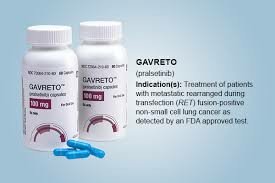
Pralsetinib (Pralsetinib) is a highly selective RET kinase inhibitor, mainly used to treat RET gene fusion-positive non-small cell lung cancer (NSCLC) and thyroid cancer and other malignant tumors. Because many patients need to take the drug long-term or even continuously to maintain its effects, it is especially important to understand its long-term effects on body function. First, long-term use of platinib may have certain effects on the hematopoietic system. For example, some patients may develop anemia, neutropenia, or thrombocytopenia during treatment. Although most adverse reactions are mild to moderate, if not monitored and treated in time, they may affect immunity and overall health, so routine blood tests need to be performed regularly.
Secondly, long-term use of platinib may put some pressure on liver function. In clinical practice, some patients experience elevated liver enzymes (ALT, AST) or abnormal bilirubin during treatment, which usually recover gradually after stopping the drug or adjusting the dose. Therefore, it is recommended that patients regularly monitor liver function during medication. If obvious abnormalities are found, medication should be suspended or reduced under the guidance of a doctor. In addition, for patients with underlying liver diseases, doctors usually adjust the dosage based on liver function classification to reduce the burden of drug metabolism.
Third, long-term use of platinib may also have certain effects on the cardiovascular system and renal function. Some patients may experience increased blood pressure, changes in heart rate, or mild abnormalities in renal function indicators. Although most of these conditions are controllable, if left unmonitored, long-term accumulation may cause potential damage to the heart and kidneys. Therefore, blood pressure, electrocardiogram and renal function indicators should be measured regularly during treatment, and timely intervention measures should be taken when obvious abnormalities occur, such as dose adjustment or combination of antihypertensive drugs.
Finally, long-term use of platinib may have some impact on patients' quality of daily life. For example, some patients may experience chronic fatigue, decreased appetite, mild gastrointestinal discomfort, or skin reactions. These are not life-threatening adverse reactions, but may affect long-term treatment compliance. Clinically, doctors usually help patients alleviate these symptoms through symptomatic supportive treatment, nutritional adjustments, and reasonable daily routine. Overall, the safety of long-term use of platinib is relatively controllable, but regular monitoring, individualized dose adjustment and multidisciplinary management are needed to minimize the negative impact on body functions and ensure the continuity and efficacy of treatment.
Reference materials:https://www.drugs.com/
[ 免责声明 ] 本页面内容来自公开渠道(如FDA官网、Drugs官网、原研药厂官网等),仅供持有医疗专业资质的人员用于医学药学研究参考,不构成任何治疗建议或药品推荐。所涉药品可能未在中国大陆获批上市,不适用于中国境内销售和使用。如需治疗,请咨询正规医疗机构。本站不提供药品销售或代购服务。


