
.jpeg)
What are the precautions when taking Etrasimod-Velsipity?
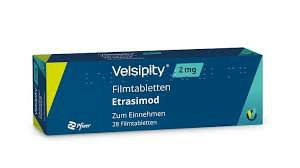
Etrasimod is a new selective S1P receptor modulator launched by Pfizer in the United States and the European Union in 2023. It is mainly used to treat moderate to severe ulcerative colitis (UC). As an oral drug targeting the immune system, it controls the inflammatory response from the root by precisely regulating lymphocyte migration. However, because its mechanism of action deeply involves the immune system, a series of safety warnings and medication precautions must be paid attention to during use to ensure maximum efficacy and minimize risks.
The main target of Itrimod is the S1P1 receptor, which reduces the number of immune-active cells in peripheral blood and intestinal mucosa by temporarily retaining lymphocytes in lymph nodes. Although this "immune traffic regulation" mechanism can significantly improve the inflammatory state, it may also lead to an increased risk of infection. Patients should be closely monitored for abnormal symptoms such as fever, cough, or skin infection during use. Because the drug's lasting effects on the immune system can last up to 5 weeks after the last dose, you should continue to be vigilant about the risk of infection even after stopping the drug.
In addition, itrimod may cause bradyarrhythmias and atrioventricular conduction delays, especially during the initial treatment phase. Overseas guidelines recommend that patients with heart disease or those who are concurrently taking drugs that affect heart rate (such asβ-blockers) should undergo an electrocardiogram evaluation before taking the drug for the first time. If dizziness, chest tightness, or heart palpitations occur, seek medical attention immediately and adjust the dose. This mechanism is related to the distribution of S1P receptors in the sinoatrial node and myocardial tissue. It is one of the adverse reactions that is predictable but requires vigilance.
Liver function damage is also an area that needs to be monitored. Since itrimodmay cause an increase in transaminases during liver metabolism, it is recommended to regularly detectALT and AST indicators before and during treatment. If abnormalities are found, medication should be suspended and other causes should be ruled out. Some patients may also experience an increase in blood pressure during treatment, so long-term users should maintain blood pressure monitoring, especially those with a history of hypertension.
Itrimod has also been reported to cause an increased risk of macular edema. This type of problem is more common in patients with diabetes or a previous history of retinal disease. If blurred vision or visual field distortion occurs during medication, an eye examination should be performed promptly to prevent permanent vision damage. The related neurological warning is posterior reversible encephalopathy syndrome (PRES), which manifests as headache, disturbance of consciousness or blurred vision. If not recognized in time, it may lead to serious consequences.
Another issue of concern is the risk of malignancy. Because itrimod modulates immune activity, long-term use may theoretically increase the risk of cutaneous malignancies or other cancers. Therefore, patients should avoid excessive sun exposure during treatment and undergo regular skin examinations. Pfizer also emphasized vigilance for immunosuppression-related tumors in its post-marketing safety surveillance.
Contraindication to pregnant women is one of the important warnings for itrimod. The drug can cross the placental barrier and animal experiments suggest it may cause fetal harm. It is recommended that women of childbearing age avoid pregnancy during medication and within 5 weeks after stopping medication, and take effective contraceptive measures.
In addition, some patients may experience a slight decrease in lung function during use, especially those with a history of asthma or chronic obstructive pulmonary disease (COPD) should be cautious. The drug may also be combined with other immunosuppressants to produce additive immune effects and increase the risk of infection and tumors. Therefore, it is not recommended to use other immunomodulatory drugs in combination.
Reference materials:https://www.drugs.com/mtm/etrasimod.html
[ 免责声明 ] 本页面内容来自公开渠道(如FDA官网、Drugs官网、原研药厂官网等),仅供持有医疗专业资质的人员用于医学药学研究参考,不构成任何治疗建议或药品推荐。所涉药品可能未在中国大陆获批上市,不适用于中国境内销售和使用。如需治疗,请咨询正规医疗机构。本站不提供药品销售或代购服务。


