
.jpeg)
How to deal with tazerestat (Daveco) drug resistance and clinical medication recommendations
Tazemetostat (Tazemetostat) is an oral EZH2 inhibitor, mainly used to treat EZH2 mutant or refractory peripheral T cell lymphoma, epithelioid sarcoma and other malignant tumors. In clinical practice, although most patients respond well to tazerestat in the early stage of treatment, some patients may develop drug resistance as the treatment time prolongs. Drug resistance is a common challenge in tumor treatment, involving multiple factors such as genetic mutations of tumor cells, compensatory activation of signaling pathways, and changes in drug metabolism and excretion mechanisms. For EZH2 inhibitors, resistance to tazerestat is usually manifested by tumor volume stagnation or continued progression, abnormal elevation of tumor markers, and worsening of patient symptoms.
The mechanisms of drug resistance mainly include secondary mutations of theEZH2 gene, upregulation of related epigenetic factors, and changes in the tumor microenvironment. Some tumor cells may bypass EZH2 inhibition by activating other histone methylases or dependent pathways, resulting in reduced drug efficacy. In addition, enhanced metabolism of the drug in the body or increased efflux through ABC transporters may also reduce the effective concentration of tazerestat. For clinicians, accurate identification of drug-resistant patients is key to formulating next treatment strategies.
Resistance assessment usually includes imaging examinations, tumor marker monitoring, and genetic sequencing. Imaging examinations such as CT, MRI or PET-CT can visually assess the volume changes and progression of tumors; tumor markers such as LDH, β2microglobulin, etc. can provide auxiliary references; gene sequencing can help discover drug-resistant mutations in EZH2 and related pathways. These monitoring methods, combined with patient symptoms and laboratory indicators, can help clinicians detect signs of drug resistance early and adjust treatment plans in a timely manner.
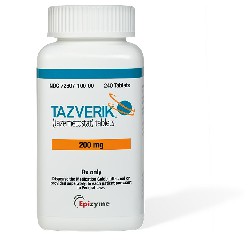
A variety of clinical strategies should be adopted for drug-resistant patients. First of all, combination therapy is one of the common methods. You can try to combine tazerestat with chemotherapy drugs, immune checkpoint inhibitors or other targeted drugs to enhance the anti-tumor effect. Secondly, some patients can temporarily alleviate drug resistance by adjusting the dose of tazerestat or extending the medication cycle, but this must be done under the premise of strict safety monitoring to avoid aggravating adverse reactions. For patients whose drug resistance cannot be reversed, new EZH2 inhibitors or other targeted therapies participating in clinical trials are important options and can provide patients with new treatment opportunities.
In daily clinical management, individualized treatment and standardized follow-up are crucial. Patients should strictly follow the doctor's instructions when taking medication and avoid missing doses, stopping medication at will, or adjusting the dosage without authorization. During the medication period, it is recommended to regularly review tumor indicators, including imaging examinations and laboratory tests, and pay attention to the occurrence of adverse reactions. For drug-resistant patients, clinicians need to comprehensively assess the patient's age, underlying diseases, tumor burden, and previous treatment history to formulate a personalized treatment plan. Rational drug combinations, dose adjustments, and participation in clinical trials can all help improve patient survival rates and quality of life.
Additionally, patient education is equally important. Medical staff should explain in detail to patients and their families the possible symptoms of drug resistance, precautions for drug use, and methods for handling adverse reactions. By enhancing patients' self-monitoring capabilities, problems can be discovered in an early stage of drug resistance and the plan can be adjusted by communicating with doctors. At the same time, psychological support and lifestyle management are also part of the treatment, including maintaining a balanced diet, adequate sleep, moderate exercise, and avoiding infections, etc., which can help improve the patient's overall health and ability to cope with drug resistance.
In summary, tazerestat resistance is a clinical challenge that cannot be ignored. Through multi-dimensional monitoring, combined treatment, individualized medication and standardized follow-up, treatment strategies can be adjusted in a timely manner after the occurrence of drug resistance, thereby improving efficacy and patient quality of life. Clinicians should pay close attention to the research progress of drug resistance mechanisms to provide scientific basis and practical experience for future drug resistance management and new treatment options.
Reference materials:https://www.drugs.com/
[ 免责声明 ] 本页面内容来自公开渠道(如FDA官网、Drugs官网、原研药厂官网等),仅供持有医疗专业资质的人员用于医学药学研究参考,不构成任何治疗建议或药品推荐。所涉药品可能未在中国大陆获批上市,不适用于中国境内销售和使用。如需治疗,请咨询正规医疗机构。本站不提供药品销售或代购服务。


