
.jpeg)
What is the difference between veentuzumab/besifu and usteinux?
Although Enfortumab and Ustekinumab are both monoclonal antibody drugs in clinical applications, they are essentially different in pharmacological mechanisms, targets, indications and clinical strategies, reflecting the precise design of antibody drugs in different disease areas.
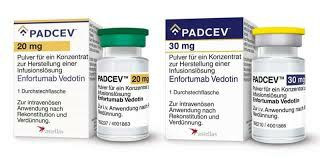
Ventuzumab is an antibody drug conjugate (ADC). Its main target is nectin-4, an adhesion protein highly expressed on the surface of urothelial cancer (bladder cancer) cells. By conjugating a monoclonal antibody with a microtubule inhibitor, venetuzumab can selectively enter tumor cells and release cytotoxic drugs, thereby directly killing cancer cells while reducing damage to normal tissues. This design makes it an important treatment option for patients with advanced or metastatic urothelial cancer, especially those who are resistant to chemotherapy and immune checkpoint inhibitors. Its clinical value lies in achieving a high response rate and controllable safety through targeted tumor killing.
In contrast, ustekinumab is a fully humanized monoclonal antibody targeting the immune-inflammatory pathway. Its main targets are interleukin12 (IL-12) and interleukin 23 (IL-23). By blocking these two key inflammatory factors, it regulates T cell-mediated immune responses. Ustekinumab is mainly used for the treatment of autoimmune diseases, such as moderate to severe plaque psoriasis, Crohn's disease and psoriatic arthritis. Its core treatment concept is to suppress the over-activated immune system, thereby reducing inflammation and tissue damage. This is completely different from the anti-tumor strategy of veentuzumab. Ustekinumab does not have the function of directly killing cells, but achieves disease control by regulating immune signaling pathways.
From the perspective of drug structure and design, veentuzumab belongs toADC drugs. It combines the targeting of monoclonal antibodies and the cytotoxicity of small molecule chemotherapy drugs, allowing it to play a "targeted bombing" role in tumor treatment. Ustekinumab is a traditional monoclonal antibody whose therapeutic mechanism focuses on blocking cytokine signaling pathways and is an immunomodulatory drug. The two also differ in dosing strategy, route of administration and treatment course design. Veentuzumab is usually infused intravenously, with a course of treatment every three weeks, and the dose needs to be adjusted according to the weight and patient tolerance; ustekinumab is mostly injected subcutaneously, once every 8 to 12 weeks, and the dose is adjusted according to the type of disease and weight, with more emphasis on long-term maintenance of immune balance.
In addition, the adverse reaction profiles of the two are significantly different. Common side effects of veentuzumab include rash, fatigue, peripheral neuropathy and elevated blood sugar, reflecting its toxic effects on tumor cells and some normal tissues in tumor treatment; while the side effects of ustekinumab are mainly increased risk of infection, injection site reactions and mild blood index abnormalities, emphasizing safety management related to immunosuppression. It can be seen that when clinicians choose these two types of drugs, they must formulate completely different treatment plans based on the type of disease, treatment goals and individual patient characteristics.
In general, although veentuzumab and ustekinumab are both monoclonal antibody drugs, they represent the application of antibody drugs in two completely different fields: the former focuses on targeting tumor cells to achieve precise anti-cancer treatment; the latter focuses on regulating inflammatory signaling pathways to control autoimmune disease activities.
Reference: https://www.padcev.com/
[ 免责声明 ] 本页面内容来自公开渠道(如FDA官网、Drugs官网、原研药厂官网等),仅供持有医疗专业资质的人员用于医学药学研究参考,不构成任何治疗建议或药品推荐。所涉药品可能未在中国大陆获批上市,不适用于中国境内销售和使用。如需治疗,请咨询正规医疗机构。本站不提供药品销售或代购服务。


