
.jpeg)
Effect of fostatinib/fotantinib on platelet elevation
One of the most prominent pharmacological characteristics of fostamatinib in clinical practice is the promotion of platelet recovery, which is why it has received widespread attention in the treatment of chronic immune thrombocytopenia (ITP). The drug does not stimulate the bone marrow to produce platelets, but "indirectly elevates platelets" by inhibiting the mechanism by which platelets are excessively cleared by the immune system. This mode of action is completely different from traditional platelet-raising drugs, and represents a new idea with "inhibition of destruction" as its core.
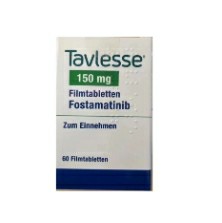
In immune thrombocytopenia, the body produces antibodies against its own platelets, forming immune complexes that are recognized and engulfed by macrophages. The active metabolite of fostatinibR406 can effectively inhibit SYK signaling in macrophages, thereby blocking the antibody-mediated phagocytosis reaction and preventing platelet destruction. The rising effect brought about by this mechanism is usually relatively stable and does not rely on exogenous stimulation factors.
Unlike previous glucocorticoid or intravenous immune globulin treatments, fostatinib modulates immune signaling rather than directly suppressing the immune system, so side effects are relatively controllable during long-term use. Overseas literature mentions that its efficacy has a certain delay, and a gradual increase in platelet levels can generally be observed after a few weeks, which is consistent with its logic of "inhibiting destruction rather than stimulating production".
In addition toITP, researchers are also exploring its application potential in other immune-mediated cytopenias, such as autoimmune hemolytic anemia (AIHA) and systemic lupus erythematosus-related thrombocytopenia. Its core concept is to restore the immune system's tolerance to blood cells through regulation of the SYK pathway and reduce abnormal immune attacks from the root cause.
Taken together, the platelet-raising effect of fostatinib is an "immune repair-type" mechanism, which not only embodies the idea of precise intervention with targeted drugs, but also reflects the trend of modern immunological treatment from destruction control to reconstruction of balance.
Reference materials:https://go.drugbank.com/drugs/DB12010
[ 免责声明 ] 本页面内容来自公开渠道(如FDA官网、Drugs官网、原研药厂官网等),仅供持有医疗专业资质的人员用于医学药学研究参考,不构成任何治疗建议或药品推荐。所涉药品可能未在中国大陆获批上市,不适用于中国境内销售和使用。如需治疗,请咨询正规医疗机构。本站不提供药品销售或代购服务。


