
.jpeg)
Detailed analysis of the instructions for use of Serputinib/Serpatinib (Ruitu)
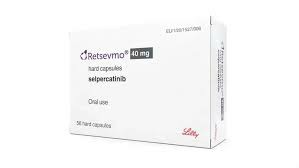
Selpercatinib is an oral, highly selective RET kinase inhibitor developed by Eli Lilly. It is the first precision-targeted drug approved by the FDA for RET gene rearrangement-related tumors.
1. Analysis of indications
According to the approval and clinical recommendations of the U.S. FDA, the indications of seputinib cover a variety of RET-driven tumors. First, it is used for patients with **RET fusion-positive non-small cell lung cancer (NSCLC) **, especially for locally advanced or metastatic stages, and the presence of RET fusion needs to be confirmed by an FDA-approved detection method. RET fusion is common in non-smokers or light smokers and is one of the few precise targets that are negative for traditional EGFR and ALK. Seputinib can significantly inhibit tumor cell signal transduction and improve lung cancer progression by targeting RET kinase activity.
The second type of indication is RET-mutated medullary thyroid carcinoma (MTC). This type of cancer is mostly related to inherited RET mutations, and traditional chemotherapy has limited effect. Seputinib is suitable for adults and adolescent patients aged 12 years and above. It inhibits RET mutation signaling, helps delay disease progression, reduces tumor burden, and provides new targeted treatment options for MTC patients.
The third category is RET fusion-positive thyroid cancer (TC), including patients who are ineffective or resistant to radioactive iodine therapy. Septinib significantly improves tumor control rates, providing patients with advanced or metastatic thyroid cancer the chance of a longer-lasting response.
In addition, the FDA has also approved it for the treatment of other RET fusion-positive solid tumors. This "pan-cancer" indication makes seputinib one of the few precision drugs that can be used across cancer types, and is suitable for patients who have failed previous treatments and lack other feasible options. This means that any cancer type in which RET fusions are diagnosed could theoretically benefit from seputinib.
2. Usage and dosage
The use of seputinib must be based on RET gene test results to confirm the existence of the target before treatment can be initiated. This is an important prerequisite for medicine. The dosage is closely related to the patient's weight: patients weighing less than 50kg, take 120mg orally each time; patients weighing 50kg or more, take 160mg each time; twice a day, about 12 hours apart. This dose is designed to maintain a stable blood concentration and thus continue to inhibit RET kinase activity.
Patients can take the medication with food or on an empty stomach, but if proton pump inhibitors (PPI) are used at the same time, the time needs to be adjusted according to the doctor's advice to avoid affecting absorption. If vomiting occurs after taking the medicine, you should not take a supplement immediately but wait for the next regular dose. During treatment, seputinib is usually continued until disease progression or intolerable adverse reactions occur.
3. Pharmacological mechanism and metabolic characteristics
Seputinib is an ATP-competitive RET inhibitor that can highly selectively bind to the ATP binding site of RET kinase and inhibit its phosphorylation activity, thus blocking the downstream RAS-MAPK and PI3K-AKT signaling pathways. This dual-pathway inhibition mechanism effectively cuts off the proliferation and survival signals of tumor cells. Unlike early multi-target TKI drugs (such as cabozantinib and vandetinib), seputinib has significantly enhanced selectivity for RET and reduced interference with non-target enzymes such as VEGFR and FGFR, so the incidence of side effects is lower.
The drug is rapidly absorbed after oral administration, metabolized by CYP3A4, and mainly excreted through feces. Because its metabolism depends on the liver enzyme system, drugs combined with strong CYP3A inhibitors or inducers should be used with caution.
4. Adverse reactions and monitoring recommendations
Seputinib is generally well tolerated, and common adverse reactions include hypertension, elevated liver enzymes, dry mouth, diarrhea, and fatigue. A small number of patients may experience QT interval prolongation or electrolyte abnormalities, so electrocardiogram and serum electrolytes should be monitored regularly before and during treatment. If liver function abnormalities of grade 3 or above occur, use must be suspended or reduced. For patients receiving long-term treatment, it is recommended to test liver function and blood pressure every 2-4 weeks to ensure medication safety.
Reference:https://en.wikipedia.org/wiki/Selpercatinib
[ 免责声明 ] 本页面内容来自公开渠道(如FDA官网、Drugs官网、原研药厂官网等),仅供持有医疗专业资质的人员用于医学药学研究参考,不构成任何治疗建议或药品推荐。所涉药品可能未在中国大陆获批上市,不适用于中国境内销售和使用。如需治疗,请咨询正规医疗机构。本站不提供药品销售或代购服务。


