
.jpeg)
Whether ceritinib/ceritinib (Zanda) requires long-term use and treatment course guidance
Ceritinib/Ceritinib (Ceritinib) is an oral ALK span>Tyrosine kinase inhibitors are mainly used to treat patients with ALK-positive advanced non-small cell lung cancer (NSCLC). Since its mechanism of action is to inhibit the ALK signaling pathway of tumor cells, the drug itself cannot completely cure cancer. Therefore, most patients need to take it continuously for a long time to maintain the efficacy and prevent disease progression.
In terms of treatment schedule, ceritinib usually adopts a once-daily oral fixed-dose regimen. The starting dose and specific dose adjustments need to be determined based on the patient's tolerance, liver and kidney function, and comorbid diseases. In the early stages of treatment, doctors will closely observe the patient's side effects and efficacy, and adjust the dosage if necessary to ensure both good efficacy and reduced toxicity.
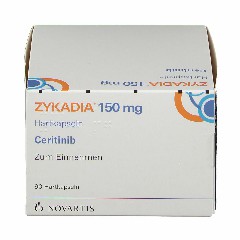
During long-term medication, patients need regular reexamination, including imaging examinations, routine blood tests, liver and kidney function, and electrocardiogram, to evaluate the efficacy of the drug and monitor potential adverse reactions. If intolerance or serious side effects occur, the doctor may temporarily stop the drug, adjust the dose, or consider combining it with other drugs to prolong the effect.
In addition, patients should maintain a regular life and medication habits during long-term medication, and avoid stopping medication on their own or changing dosages at will. Reasonable management of side effects, regular follow-up and communication with doctors are important links to ensure efficacy, extend progression-free survival and improve quality of life.
Reference materials:https://www.drugs.com/
[ 免责声明 ] 本页面内容来自公开渠道(如FDA官网、Drugs官网、原研药厂官网等),仅供持有医疗专业资质的人员用于医学药学研究参考,不构成任何治疗建议或药品推荐。所涉药品可能未在中国大陆获批上市,不适用于中国境内销售和使用。如需治疗,请咨询正规医疗机构。本站不提供药品销售或代购服务。


