
.jpeg)
Analysis of the precautions and safe medication guidelines for Epclusa
1. Overview of Drugs
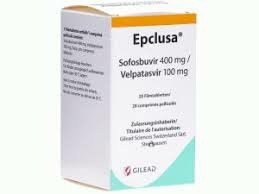
Epclusa (Epclusa, generic name Epclusa) is an oral direct antiviral drug (DAA), mainly used to treat chronic hepatitis C (HCV) infection. Its compound ingredients include sofosbuvir (Sofosbuvir) and velpatasvir (Velpatasvir), which can simultaneously inhibit span>HCV’s NS5B polymerase and NS5A protein block virus replication. The drug has broad-spectrum anti-HCV genotype effects and is suitable for patients infected with HCV 1-6 types. It can be used without genotype testing. It is also suitable for patients with mild to moderate cirrhosis or compensated liver disease.
The oral convenience and short course of treatment (generally 12 weeks) make it one of the mainstream options for hepatitis C treatment. However, due to its involvement in liver metabolism and potential drug interactions, safe management before, during and after administration is critical.
2. Precautions before taking medication
1.Evaluation of liver and kidney function:
Before initiating treatment with GIS, patients need to undergo a comprehensive liver and kidney function test. For patients with severe hepatic insufficiency (Child-Pugh C grade) or severe renal impairment (eGFR<30 ml/min/1.73㎡), caution is required or the regimen needs to be adjusted. Patients with renal insufficiency may cause sofosbuvir and metabolites to accumulate in the body, thereby increasing the risk of adverse reactions.
2.Concomitant medication investigation:
Jisandai is metabolized through the liver P-gp transporter and CYP pathways, and may interact with a variety of drugs. If patients take antacids, proton pump inhibitors (such as omeprazole), anti-epileptic drugs or strong CYP3A inducers at the same time, they need to adjust their medication regimen under the guidance of a doctor. Unauthorized combined use without evaluation may lead to a decrease in the blood concentration of the drug and reduce the antiviral efficacy.
3.Taboos and special groups:
There is still a lack of sufficient safety data for pregnant and lactating women to use Jisandai, so they should be used with caution or avoid use. At the same time, patients who are allergic to sofosbuvir, velpatasvir or other preparation excipients are strictly prohibited from using this drug to prevent allergic reactions.
3. Safety management during medication
1.Take medication regularly:
Jisandai is taken orally once a day, preferably at a fixed time, on an empty stomach or with a meal. Patients should strictly follow the course of treatment to complete all doses and avoid missing doses or stopping medication at will. Missing a dose may lead to viral resistance or reduced efficacy. If necessary, supplementary doses should be taken under the guidance of a doctor.
2.Adverse reaction monitoring:
Clinical observation shows that common adverse reactions of Jisandai include headache, fatigue, nausea, insomnia, etc., which are generally mild to moderate, and a few patients may experience elevated liver function indicators. During treatment, blood routine, liver function, and kidney function should be reviewed regularly to detect abnormalities in a timely manner. If serious adverse reactions occur, such as obvious jaundice, persistent nausea and vomiting, or severe rash, the drug should be discontinued immediately and seek medical treatment.
3.Incorporated disease management:
For patients with cardiovascular disease, diabetes, or chronic kidney disease, Gisanda may interact with other medications. Risks should be assessed before use, and blood pressure, blood sugar, and renal function should be monitored closely during treatment. If necessary, the dosage of other drugs can be adjusted to ensure safety.
4. Treatment completion and follow-up
The standard course of treatment for Jisandai is generally 12 weeks. After the course of treatment, the efficacy needs to be evaluated, mainly through serum HCV RNA detection. Achieving a sustained virological response (SVR) indicates successful treatment and the virus remains undetectable for at least 12 weeks after the end of treatment. Some patients may have liver fibrosis or liver function damage and require long-term follow-up, including liver function, ultrasound and necessary imaging examinations, to evaluate liver recovery and prevent complications.
At the same time, patients should pay attention to lifestyle management, such as quitting smoking and limiting alcohol, eating a reasonable diet, and exercising moderately, to reduce the burden on the liver and consolidate the curative effect. If the patient has recurrence or is accompanied by other viral infections, he should communicate with his doctor in a timely manner to evaluate whether the treatment plan needs to be adjusted or extended.
Jisanda (Epclusa/Epclusa), as a broad-spectrum antiHCV drug, has the advantages of significant efficacy, convenient oral administration and short course of treatment. However, during use, comprehensive assessment before medication, regular medication and adverse reaction monitoring during medication, and follow-up management after the completion of the treatment course are all key to ensuring safety and efficacy. Patients should follow the standardized medication process under the guidance of professional doctors, and conduct individualized management based on their own health conditions and comorbid diseases, so as to achieve the best effect of antiviral treatment.
Reference materials:https://www.drugs.com/
[ 免责声明 ] 本页面内容来自公开渠道(如FDA官网、Drugs官网、原研药厂官网等),仅供持有医疗专业资质的人员用于医学药学研究参考,不构成任何治疗建议或药品推荐。所涉药品可能未在中国大陆获批上市,不适用于中国境内销售和使用。如需治疗,请咨询正规医疗机构。本站不提供药品销售或代购服务。


