
.jpeg)
Can Obeticholic Acid Effectively Stop the Progression of the Disease?
Obeticholic acid (Obeticholic acid), as an FXR agonist, has shown significant clinical potential in the treatment ofprimary biliary cholangitis (PBC). Its core mechanism of action is to regulate intrahepatic bile acid synthesis and efflux, thereby reducing cholestasis and liver cell damage from the root cause. Activation of the FXR pathway can inhibit the expression of key enzymes such as CYP7A1, thereby reducing bile acid synthesis, and enhance bile acid excretion by promoting the expression of BSEP (bile salt efflux pump), reducing liver bile acid concentration. This process helps prevent further aggravation of inflammation and fibrosis.
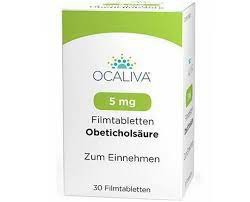
Clinical practice and research have shown that for patients with early-stage and intermediate-stage PBC, long-term use of obeticholic acid can significantly reduce serum alkaline phosphatase (ALP) and total bilirubin levels. The improvement of these biochemical indicators is often closely related to the reduction of liver tissue inflammation and the delay of fibrosis. Although there is currently insufficient long-term follow-up evidence to prove that it can completely prevent the progression of the end-stage disease, more and more clinical observations show that obeticholic acid can slow down the deterioration of liver function, delay the onset of cirrhosis and liver failure, and improve the quality of life of patients to a certain extent.
It is worth noting that obeticholic acid is not suitable for allPBC patients. The best efficacy usually occurs in patients who still have compensated liver function and have poor response to UDCA. For patients with decompensated cirrhosis or portal hypertension, the use of obeticholic acid may increase the risk of adverse reactions, including worsening of jaundice, worsening of liver function, and even liver failure. Therefore, doctors usually need to evaluate liver function before prescribing to ensure that the patient is in an appropriate compensatory stage.
In international guidelines, obeticholic acid has been included in the second-line treatment of PBCfor use in conjunction with or as an alternative to UDCA. With in-depth research on the mechanism of the FXR pathway, obeticholic acid is not only regarded as an important component of PBC treatment, but is also being explored for its potential in chronic liver diseases such as non-alcoholic steatohepatitis (NASH).
Reference materials:https://en.wikipedia.org/wiki/Obeticholic_acid
[ 免责声明 ] 本页面内容来自公开渠道(如FDA官网、Drugs官网、原研药厂官网等),仅供持有医疗专业资质的人员用于医学药学研究参考,不构成任何治疗建议或药品推荐。所涉药品可能未在中国大陆获批上市,不适用于中国境内销售和使用。如需治疗,请咨询正规医疗机构。本站不提供药品销售或代购服务。


