
.jpeg)
Common adverse reactions of ceritinib/ceritinib (Zanda) and how to deal with them
1. Overview of Drugs
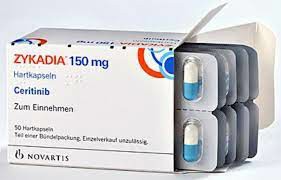
Ceritinib (Ceritinib) is a second-generation ALK (anaplastic lymphoma kinase) inhibitor. It is mainly used to treat patients with ALK positive non-small cell lung cancer (NSCLC), especially for patients who are resistant to crizotinib. The drug inhibits the tyrosine kinase activity of the ALK fusion protein and blocks downstream signaling pathways, thereby inhibiting tumor cell proliferation and promoting apoptosis. Although ceritinib is highly effective in the treatment of ALK positive lung cancer, its use is often accompanied by certain adverse reactions and requires joint management by patients and doctors.
2. Classification of common adverse reactions
1.Digestive system reaction
The most common adverse reactions of ceritinib are in the digestive system and include nausea, vomiting, diarrhea, abdominal pain and decreased appetite. These symptoms usually occur early in the medication and may lead to weight loss or malnutrition. Severe cases may require medication suspension or dose adjustment.
2.Abnormal liver function
Drugs may cause liver function abnormalities such as elevated transaminases (ALT, AST), elevated bilirubin, etc. The risk of liver function damage is closely related to the drug dose and the patient's basic liver function. In particular, patients with liver metastases or liver dysfunction are more likely to suffer from drug-induced liver injury.
3.Cardiovascular and metabolic reactions
A small number of patients may develop cardiovascular and metabolic related problems such as QT prolongation, increased blood pressure, elevated blood sugar or hypoglycemia while taking ceritinib. Although the incidence of this type of reaction is low, it may have a serious impact on the patient's health and requires special attention.
4.Respiratory and nervous system reactions
Some patients may experience symptoms such as cough, difficulty breathing, headache, fatigue or drowsiness. Although most symptoms are mild to moderate, they may have a certain impact on the patient's quality of life and require close observation.
5.Skin and other reactions
These include rash, itching, dryness, or hair loss. These reactions are usually mild, but long-term effects may affect the patient's compliance and psychological state.
3. Response and treatment methods for adverse reactions
1.Digestive system management
For nausea, vomiting or diarrhea, it can be relieved by taking small doses of medicine in small doses, taking medicine after meals, and increasing dietary adjustments. In the meantime, anti-nausea or anti-diarrheal medications may be used depending on symptoms. When symptoms are severe or persistent, consider temporarily discontinuing the drug and adjusting the dose before resuming standard dosage.
2.Liver function monitoring
Liver function should be checked regularly before and during treatment, with special attention toALT, AST and bilirubin levels. If there is a mild increase (1-3 times the upper limit of normal), observation and supportive treatment can be continued; if the increase exceeds 3 times the upper limit of normal or is accompanied by clinical symptoms, the drug should be discontinued or reduced immediately, and restarted cautiously after liver function has recovered.
3.Cardiovascular and metabolic risk management
For patients with QT prolongation or abnormal blood pressure, electrocardiogram examination and blood pressure monitoring should be carried out before medication, and combined with cardiology management if necessary. Patients with abnormal blood sugar should monitor their blood sugar and adjust their diet or use antidiabetic drugs. In the event of severe arrhythmias, ceritinib should be suspended and treated urgently.
4.Management of respiratory and neurological symptoms
Symptoms such as fatigue, headache, or dyspnea should be evaluated in conjunction with the patient's underlying disease and drug dosage. Mild to moderate symptoms can be alleviated by rest and supportive treatment; when severe symptoms affect the quality of life, the dose can be appropriately adjusted or the medication can be suspended.
5.Skin reaction management
Mild rashes or itching can be treated with topical moisturizers, antihistamines, or low-concentration topical corticosteroids. In the event of severe rash or systemic reaction, the drug should be discontinued and treated under the guidance of a dermatologist.
4. Patient education and follow-up recommendations
1.Take medication as directed by the doctor: Patients should strictly follow the doctor's prescription and do not increase the dosage or stop the medication at will to avoid a decrease in efficacy or aggravation of adverse reactions.
2.Regular monitoring: It is recommended to follow up hematology, liver function, electrocardiogram, blood pressure and other indicators every 2-4 weeks, and detect abnormalities early and deal with them promptly.
3.Lifestyle management: avoid drinking alcohol, control high-fat diet, and maintain a reasonable schedule to reduce drug burden and risk of side effects.
4.Symptom recording: Patients should record the time, degree and duration of adverse reactions to provide a reference for doctors to adjust dosage.
Ceritinib/As a second-generation ALK inhibitor, ceritinib can significantly improve the survival outcomes of ALKpositive NSCLC patients. However, its use is often accompanied by adverse events such as gastrointestinal reactions, abnormal liver function, cardiovascular and metabolic problems, respiratory symptoms, and skin reactions. Through reasonable monitoring, dose adjustment, symptom management and patient education, most adverse reactions can be effectively controlled, thereby achieving a balance between maximizing drug efficacy and safety.
Reference materials:https://www.drugs.com/
[ 免责声明 ] 本页面内容来自公开渠道(如FDA官网、Drugs官网、原研药厂官网等),仅供持有医疗专业资质的人员用于医学药学研究参考,不构成任何治疗建议或药品推荐。所涉药品可能未在中国大陆获批上市,不适用于中国境内销售和使用。如需治疗,请咨询正规医疗机构。本站不提供药品销售或代购服务。


