
.jpeg)
What are the specific efficacy and therapeutic effects of lansoprazole/daclopron?
Lansoprazole/Daclopron(Lansoprazole) is a proton pump inhibitor (PPI) widely used clinically, mainly used to inhibit gastric acid secretion. It selectively inhibits the activity of the H⁺/K⁺-ATPase system on the gastric parietal cell membrane, blocking the last step in the formation of gastric acid, thereby effectively reducing gastric acid secretion and acidity, and achieving the purpose of alleviating the symptoms of gastric acid-related diseases. The pharmacological characteristics of lansoprazole are rapid onset of action, long-lasting action, and strong acid-suppressing ability. Therefore, it plays an important role in the treatment of digestive system diseases. It is widely used in the fields of gastroesophageal reflux disease (GERD), gastric ulcer, duodenal ulcer, reflux esophagitis, Zollinger-Ellison syndrome (Zollinger-Ellison syndrome), and Helicobacter pylori-related diseases.
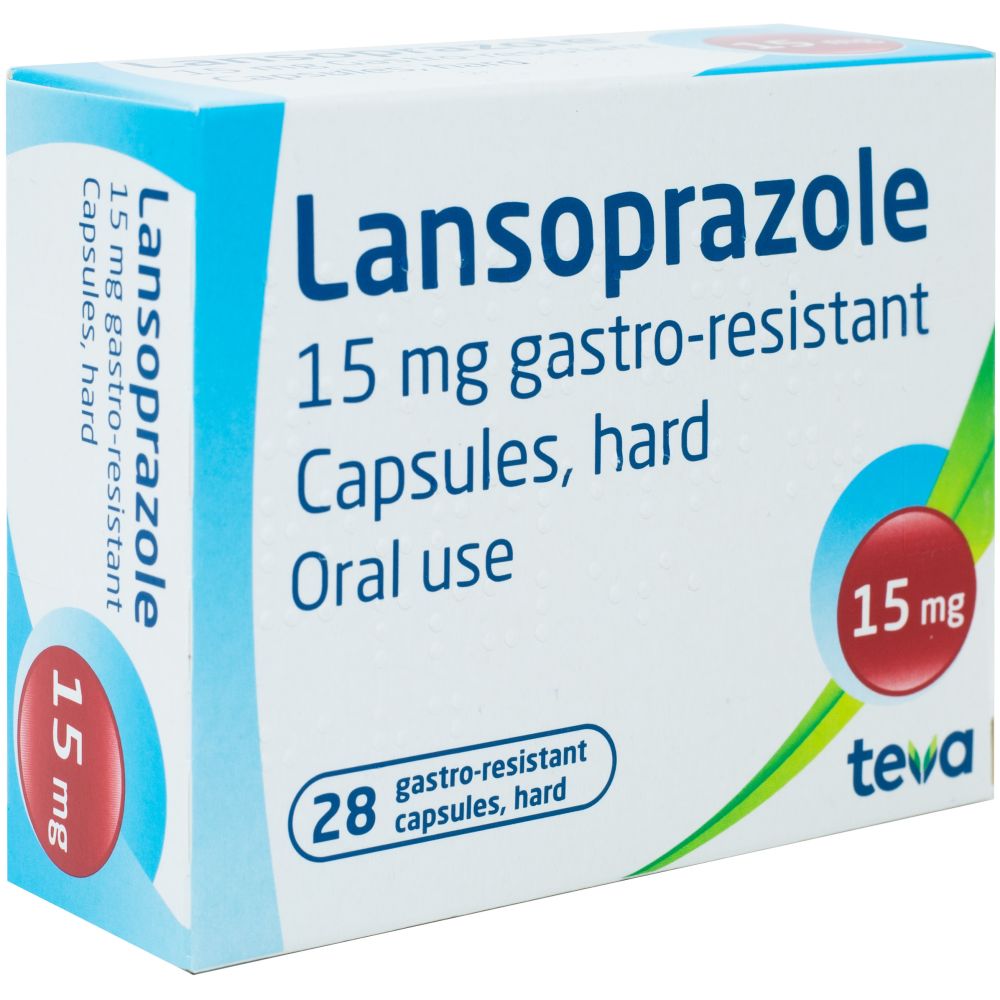
Lansoprazole has shown good efficacy in the treatment of gastroesophageal reflux disease. It can quickly relieve symptoms such as heartburn, acid reflux, and retrosternal pain, and promote the repair of esophageal mucosa. For patients who have been troubled by acid reflux for a long time, lansoprazole not only improves the quality of life, but also significantly reduces the recurrence rate of esophagitis. Its powerful acid-suppressing effect allows it to maintain a stable gastric pH level within 24 hours, helping to regenerate and heal the gastroesophageal mucosa. Compared with the early omeprazole, lansoprazole has better pharmacokinetic characteristics, faster absorption, stable metabolism, and longer duration of drug effect. Therefore, clinicians are more inclined to choose lansoprazole as a long-term solution in the maintenance treatment of chronic gastroesophageal reflux disease.
The efficacy of lansoprazole in the treatment of gastric ulcer and duodenal ulcer has also been recognized globally. It provides a good healing environment for damaged mucosa by inhibiting excessive secretion of gastric acid, while enhancing gastric mucus secretion and epithelial cell regeneration, reducing pain and bleeding risks. Many patients experience short-term relief of upper abdominal pain and indigestion symptoms after treatment with lansoprazole. If used in combination with antibiotics (such as amoxicillin and clarithromycin), lansoprazole can also be used for the eradication treatment of Helicobacter pylori, significantly improving the ulcer healing rate and reducing the risk of recurrence.
In addition, lansoprazole is also used to prevent gastric mucosal damage caused by long-term use of nonsteroidal anti-inflammatory drugs (NSAIDs). Many patients with chronic pain or rheumatic diseases require long-term use of NSAIDs, which can easily cause gastric bleeding or gastric perforation. Lansoprazole plays a protective role by inhibiting the damage to the gastric mucosa caused by the acidic environment. This preventive application is particularly important in elderly patients and people with chronic diseases, and has been recommended by many international guidelines.
Lansoprazole is also used to treat rare diseases-Ellison syndrome, a disease caused by excessive gastrin secretion leading to abnormally increased gastric acid secretion. Studies have shown that lansoprazole can significantly reduce gastric acid secretion levels, relieve diarrhea and upper abdominal pain symptoms, and prolong the symptom-free period of patients. The stability of its mechanism of action makes it outstanding in such high-acid environment diseases.
In terms of use, lansoprazole is generally administered in the form of oral capsules. The conventional dose is once a day. It is recommended to take it on an empty stomach to ensure the best absorption of the drug. The dosage and course of treatment can be adjusted according to doctor's recommendations for different diseases. The metabolism of this drug is mainly through the CYP2C19 and CYP3A4 enzyme pathways of the liver. Therefore, attention should be paid to interactions when combined with other drugs. For example, warfarin, diazepam and other drugs may be affected.
Reference materials:https://www.drugs.com/lansoprazole.html
[ 免责声明 ] 本页面内容来自公开渠道(如FDA官网、Drugs官网、原研药厂官网等),仅供持有医疗专业资质的人员用于医学药学研究参考,不构成任何治疗建议或药品推荐。所涉药品可能未在中国大陆获批上市,不适用于中国境内销售和使用。如需治疗,请咨询正规医疗机构。本站不提供药品销售或代购服务。


