
.jpeg)
How long does resistance to dasatinib/staxacil usually last?
Dasatinib is widely used in the targeted treatment of chronic myelogenous leukemia (CML). Its efficient and durable molecular response makes it a representative drug among second-generation BCR-ABL inhibitors. However, as with all targeted drugs, drug resistance is a challenge that cannot be ignored in long-term treatment. The time to onset of drug resistance varies significantly depending on individual differences, disease stage, and drug compliance.
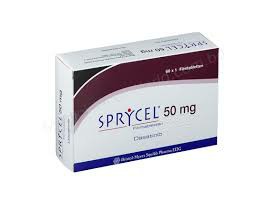
From a mechanism perspective, dasatinib resistance is mostly related toBCR-ABL gene mutations, especially key mutations such as T315I, which can lead to structural changes in the drug binding site, thereby reducing the drug's ability to inhibit the target. Some patients may develop varying degrees of drug resistance within 6 months to 2 years after taking dasatinib, while other patients can maintain deep molecular remission for more than several years. According to overseas literature reports, about 10% to 20% of patients may develop drug resistance or treatment failure during long-term medication, but this proportion has dropped significantly with early monitoring and individualized adjustment.
In addition to genetic mutations, insufficient drug concentration is also an important factor affecting efficacy. If patients reduce the dosage or take medication irregularly due to adverse reactions, the risk of drug resistance will increase. Doctors usually recommend quantitative monitoring of BCR-ABL fusion genes during treatment. By observing changes at the molecular level in real time, they can promptly determine whether there are signs of early resistance. Once the response is found to be weakened, dosage adjustment or switching to more targeted drugs such as third-generation TKIs can be considered.
It is worth noting that resistance to dasatinib does not equate to treatment failure. Many patients can still regain molecular remission by optimizing dosing regimens, combining treatments, or switching to similar drugs. Some studies have shown that if patients achieve a rapid and deep molecular response early in treatment, their risk of long-term drug resistance is significantly reduced. Therefore, early and adequate dosage, regular medication and dynamic monitoring are the keys to delaying drug resistance.
Reference materials:https://go.drugbank.com/drugs/DB01254
[ 免责声明 ] 本页面内容来自公开渠道(如FDA官网、Drugs官网、原研药厂官网等),仅供持有医疗专业资质的人员用于医学药学研究参考,不构成任何治疗建议或药品推荐。所涉药品可能未在中国大陆获批上市,不适用于中国境内销售和使用。如需治疗,请咨询正规医疗机构。本站不提供药品销售或代购服务。


