
.jpeg)
Common side effects of ceritinib/ceritinib (Zanda) and safe medication management methods
1. Overview of drugs and background of side effects
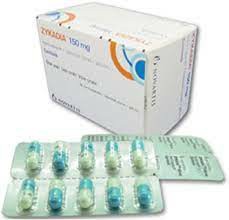
Ceritinib (Ceritinib) is an oral ALK (anaplastic lymphoma kinase) inhibitor, mainly used to treat patients with ALK positive non-small cell lung cancer (NSCLC). As a second-generation ALK inhibitor, ceritinib can effectively inhibit tumor cell proliferation and delay disease progression. However, like most targeted therapy drugs, ceritinib may also cause certain adverse reactions while exerting its efficacy. Understanding common side effects and safe medication management methods is of great significance to patients' long-term medication use and improving their quality of life.
2. Common digestive system side effects and treatment methods
The most common adverse reactions of ceritinib are concentrated in the digestive system, including nausea, vomiting, diarrhea, abdominal pain and decreased appetite. To reduce these symptoms, patients can take medication after meals, eat smaller meals more frequently, and avoid greasy or spicy foods. If mild diarrhea occurs, it can be relieved with oral rehydration salts or antidiarrheal drugs; severe diarrhea requires timely medical attention to adjust the dosage or suspend medication. In addition, maintaining adequate fluid intake and eating regularly can help reduce indigestion and gastrointestinal irritation.
3. Liver function abnormalities and monitoring measures
Ceritinib may cause liver function abnormalities in some patients, including increased serum aminotransferases or jaundice. Baseline liver function tests should be performed before medication and reviewed regularly during treatment. If the liver function indicators are mildly abnormal, the doctor may recommend continued observation or dose reduction; if there is a significant increase or symptoms of liver damage, the medication should be suspended immediately and liver protection measures should be taken. Timely monitoring of liver function not only helps prevent severe liver damage, but also ensures drug efficacy and safety.
4. Respiratory system and cardiovascular responses
A small number of patients may develop respiratory symptoms, such as cough, dyspnea, or interstitial lung disease (ILD) while taking ceritinib. For patients with underlying cardiovascular diseases, attention should also be paid to prolonged QT interval and abnormal heart rhythm. It is clinically recommended that patients undergo regular electrocardiogram and pulmonary function tests. If obvious symptoms occur, they should seek medical treatment immediately and adjust the dosage or suspend medication according to the doctor's advice. Avoiding concomitant use with drugs known to prolong the QT interval is an important measure to reduce cardiovascular risk.
5. Skin and other common side effects
Ceritinib may also cause symptoms such as rash, itching, fatigue, and headache. Mild rashes can be relieved with mild moisturizers and anti-allergy medications to keep the skin clean; fatigue or headaches can be relieved by getting enough rest and a regular schedule. Some patients may experience elevated blood sugar, muscle pain or swelling, and need to monitor blood sugar and electrolytes regularly and inform their doctor promptly.
6. Safe medication and individualized management
The core of safe medication is individualized management. Before using ceritinib, patients should inform their doctors in detail about their past medical history, concomitant medications and allergies. During the medication process, dosage and time requirements should be strictly followed to avoid missing doses or increasing or decreasing the dosage on your own. When adverse reactions occur, you should communicate with your doctor promptly and adjust the dosage, intermittent medication, or take symptomatic treatment if necessary. Maintaining a good lifestyle, such as a balanced diet, moderate exercise and a regular schedule, can also reduce side effects to a certain extent.
7. Summary and clinical suggestions
In general, the most common side effects of ceritinib are digestive system and liver function abnormalities, but with reasonable monitoring, dose adjustment and lifestyle management, most patients can take the drug safely and obtain good therapeutic effects. Patients should pay attention to the early detection and treatment of drug side effects. Regular follow-up, individualized medication, and close communication with doctors are the keys to ensuring efficacy and safety. Through scientific management, ceritinib can not only delay disease progression, but also maintain patients' quality of life to the greatest extent.
Reference materials:https://www.drugs.com/
[ 免责声明 ] 本页面内容来自公开渠道(如FDA官网、Drugs官网、原研药厂官网等),仅供持有医疗专业资质的人员用于医学药学研究参考,不构成任何治疗建议或药品推荐。所涉药品可能未在中国大陆获批上市,不适用于中国境内销售和使用。如需治疗,请咨询正规医疗机构。本站不提供药品销售或代购服务。


