
.jpeg)
Apelvis-Piqray combination does not extend PFS in high-grade serous ovarian cancer
In patients with platinum-resistant or platinum-refractory high-grade ovarian cancer cancer (HGSOC) without BRCA mutations, according to published findings from the phase 3 EPIK-O/ENGOT-ov61 trial (NCT04729387). Among patients, the combination of Alpelisib-Piqray and Olaparib did not improve progression-free survival (PFS) compared with chemotherapy. As assessed by the Blinded Independent Review Committee (BIRC), the median progression-free survival for apelix combination therapy was 3. 6 months (95% CI, 3.4-4.3), compared with 3.9 months (95% CI, 3.7-5.4) with chemotherapy (HR, 1.14; 95% CI, 0.88-1.48; P=0.84). In addition, according to the investigator's assessment, the median progression-free survival in both groups was 3.7 months (HR, 1.02; 95% CI, 0.79-1.30; P=0.54).
The data showed that the objective response rate of the experimental group was 15.6% (95% CI, 10.6%-21.7%), while that of the control group was 13.5% (95% CI, 8.8%-19.4%). The clinical benefit rate (CBR) of each treatment group was 21.1% and 19.1%, respectively, and the median duration of response (DOR) was 7.4 months (95% CI, 5.0-12.9) and 5.6 months (95% CI, 3.8-not evaluable). Because the trial was unable to demonstrate statistical significance for PFS, the researchers did not formally assess overall survival (OS). The median OS for apelvis/olaparib was 10.0 months, compared with 10.6 months for chemotherapy (HR, 1.22; 95% CI, 0.87-1.71), and the OS event rates in each treatment group were 41.7% and 35.4%, respectively.
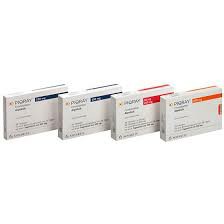
In patients with platinum-resistant [or] platinum-refractory HGSOC withoutBRCA mutations, the final PFS analysis of the protocol-specified EPIK-O/ENGOT-ov61 did not meet its primary efficacy endpoint of improved PFS withapelix [plus] olaparib compared to physician's choice of treatment[TPC]. resistant HGSOC, and additional research into novel targeted therapies is necessary to address the unmet needs in this patient population.
In the multicenter, open-labelEPIK-O trial, 358 patients were randomly assigned to receiveApelix combined with olaparib (n=180) or TPC (n=178). Patients in the experimental group were orally administered 200 mg of apelix and 200 mg of olaparib once every 28 days. Treatment in the TPC group consisted of intravenous injection of 80 mg/m2 of paclitaxel once weekly or 40 to 50 mg/m2 of pegylated liposomal doxorubicin every 28 days.
The primary endpoint of the trial is BIRC PFS usingRECIST v1.1 criteria. Secondary endpoints include OS, DOR, CBR and safety.
Adverse reactions (AE) of any grade affected 98.9% of theapelix group and 97.6% of the chemotherapy group, with serious AEs occurring in 51.1% and 30.5%, respectively. The most common types of adverse events of any grade in each group included nausea, hyperglycemia, vomiting, and diarrhea. Grade 3 or higher adverse events in each group included hyperglycemia, vomiting, nausea, and anemia.
The doses of apelix, olaparib, and TPC were reduced in 36.7%, 45.6%, and 20.1% of patients, respectively; 66.7%, 52.8%, and 20.1% of patients required dose interruption. In addition, 14.4% and 4.3% of patients in the Apelix group and TPC group died during treatment, respectively. One patient in the apelix/olaparib group experienced a fatal serious adverse event related to treatment.
Reference materials:https://www.piqray.com/
[ 免责声明 ] 本页面内容来自公开渠道(如FDA官网、Drugs官网、原研药厂官网等),仅供持有医疗专业资质的人员用于医学药学研究参考,不构成任何治疗建议或药品推荐。所涉药品可能未在中国大陆获批上市,不适用于中国境内销售和使用。如需治疗,请咨询正规医疗机构。本站不提供药品销售或代购服务。


