
.jpeg)
Why is it not recommended to use neratinib/neratinib after dual-target therapy (He Li'an)
Dual-target therapy (ie, trastuzumab combined with pertuzumab) has become one of the standard regimens in the treatment of HER2-positive breast cancer. It blocks HER2 signaling at different sites to achieve stronger anti-tumor effects. However, some people pointed out in clinical practice that it is not recommended to use neratinib/neratinib (Neratinib) for intensive adjuvant treatment immediately after completing dual-target therapy. This recommendation reflects the comprehensive consideration of pharmacological mechanisms and tolerance management.
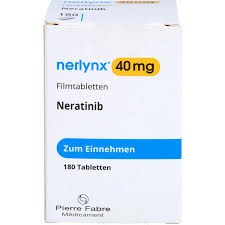
From a mechanism of action point of view, neratinib is an irreversible panHER inhibitor. It not only acts on HER2, but also inhibits the HER1 and HER4 pathways. In theory, it can make up for the signal escape problem after the dual-target treatment is completed. However, clinical practice has found that in patients who have received long-term treatment with dual-target drugs, the HER2 signaling pathway is often deeply inhibited. At this time, the use of neratinib may lead to excessive inhibition, resulting in superimposed toxic reactions, especially gastrointestinal adverse reactions such as diarrhea, dehydration, electrolyte imbalance and other problems.
Most patients after dual-target therapy have experienced a longer period of biological agent intervention, and their body tolerance has declined, especially in terms of liver function and immune response. If oral administration of neratinib is continued during this phase, there may be increased metabolic stress, elevated liver enzymes, or significant risk of drug interactions. Some international guidelines recommend that after dual-target therapy ends, the patient's suitability for neratinib maintenance should be assessed based on the patient's risk of recurrence, tumor type, and physical condition, rather than "one-size-fits-all" additional use.
In addition, clinical studies also suggest that the best benefit group of neratinib is mainly patients "after single-target trastuzumab treatment" rather than the dual-target treatment group. The high efficiency of dual-target therapy has achieved deep pathological remission in the early stages. If neratinib is continued to be used at this time, its marginal effect may decrease and the cost-effectiveness is not high.
Reference materials:https://en.wikipedia.org/wiki/Neratinib
[ 免责声明 ] 本页面内容来自公开渠道(如FDA官网、Drugs官网、原研药厂官网等),仅供持有医疗专业资质的人员用于医学药学研究参考,不构成任何治疗建议或药品推荐。所涉药品可能未在中国大陆获批上市,不适用于中国境内销售和使用。如需治疗,请咨询正规医疗机构。本站不提供药品销售或代购服务。


