
.jpeg)
Analysis of whether pirfenidone (Asri) is a targeted drug and its mechanism of action
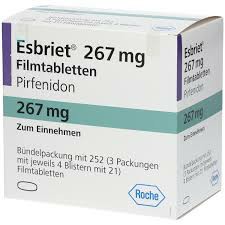
Pirfenidone (Pirfenidone) is not a targeted drug in the traditional sense. Targeted drugs are usually designed to target a single molecule or specific signaling pathway to inhibit specific targets related to tumors or diseases. Pirfenidone is mainly used to treat idiopathic pulmonary fibrosis (IPF) and other interstitial lung diseases. Its mechanism of action is more focused on multi-pathway regulation rather than single molecular targeting. By inhibiting the inflammatory response, anti-fibrosis and antioxidant effects, pirfenidone can delay the process of pulmonary tissue fibrosis and improve patients' lung function and quality of life.
In terms of anti-fibrosis, pirfenidone can inhibit the activity of the transforming growth factor -β (TGF-β) signaling pathway. TGF-β is a key factor in the development of pulmonary fibrosis, which can promote fibroblast proliferation, collagen deposition and lung interstitial remodeling. Pirfenidone reduces collagen production and slows down the progression of pulmonary fibrosis by inhibiting the expression and activation of TGF-β and its downstream Smad proteins, providing effective support for the long-term management of the disease.
In addition, pirfenidone has anti-inflammatory effects. It can inhibit the expression of inflammatory mediators such as tumor necrosis factor -α (TNF-α) and interleukin -1β (IL-1β), thereby reducing inflammatory cell infiltration and tissue damage. By reducing the inflammatory response in lung tissue, pirfenidone not only delays fibrosis, but also improves patients' respiratory function and quality of life, providing a comprehensive effect on disease management.
Pirfenidone also has antioxidant properties, which can reduce the generation of reactive oxygen species (ROS) and reduce the damage of oxidative stress to alveolar epithelial cells. Oxidative stress is an important triggering factor in the pathological process of pulmonary fibrosis. Through its antioxidant effect, pirfenidone can protect the alveolar structure and prevent further aggravation of fibrosis. Overall, although pirfenidone is not a targeted drug, it plays a key role in the treatment of idiopathic pulmonary fibrosis through its multi-target and multi-mechanism effects.
Reference materials:https://www.drugs.com/
[ 免责声明 ] 本页面内容来自公开渠道(如FDA官网、Drugs官网、原研药厂官网等),仅供持有医疗专业资质的人员用于医学药学研究参考,不构成任何治疗建议或药品推荐。所涉药品可能未在中国大陆获批上市,不适用于中国境内销售和使用。如需治疗,请咨询正规医疗机构。本站不提供药品销售或代购服务。


