
.jpeg)
Guidelines for the long-term use safety and adverse reaction management of Bezutivan (Vileri)
Belzutifan (Belzutifan) is an oral HIF-2α inhibitor, mainly used to treat patients with VHL (Von Hippel-Lindau disease tumors, including renal clear cell carcinoma, pancreatic neuroendocrine tumors, and central nervous system hemangioblastoma. As a new targeted drug, Bestifan can inhibit the HIF-2α signaling pathway, thereby reducing tumor growth and angiogenesis, and has good clinical efficacy. However, for patients with long-term use, its safety and management of potential adverse reactions are also crucial, and standard management needs to be carried out under the guidance of doctors to ensure efficacy and quality of life.
Long-term use of bestivan may cause a variety of adverse reactions, the most common of which include anemia, fatigue, nausea, decreased appetite, and increased blood pressure. Anemia is the most common hematological adverse event during the use of besettivan, which may be related to the inhibition of the role of HIF-2α in erythropoiesis. Patients should regularly monitor blood routine, especially hemoglobin levels, while taking the medication. Once moderate or severe anemia occurs, the dosage should be adjusted according to the doctor's recommendations or symptomatic treatment should be taken, such as iron supplements, blood transfusions or erythropoiesis stimulating agents.
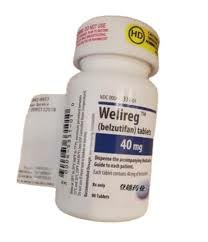
In addition, bestivan may cause metabolic adverse events such as abnormal liver function and increased blood pressure. It is recommended that patients undergo liver and kidney function assessment before taking the drug, and review it regularly during treatment, while monitoring changes in blood pressure. If liver enzymes are elevated or blood pressure continues to be abnormal, you should communicate with your doctor in time. If necessary, the dose can be adjusted or drug intervention measures can be taken to avoid serious complications. At the same time, patients should maintain a healthy lifestyle, such as a low-salt diet, regular work and rest, and moderate exercise to reduce the risk of metabolic abnormalities.
Safe management of long-term use of besetifan also requires attention to potential drug interactions. Since the drug is mainly metabolized through the liver metabolic enzyme pathway, patients should avoid concurrent use of strong inducers or inhibitors of CYP3A4 during medication to prevent abnormal fluctuations in drug blood concentration, affecting efficacy or increasing the risk of toxicity. Before starting besetivan, patients should provide their physician with a complete list of their medications, including prescription drugs, over-the-counter drugs, supplements, and herbal medicines, so that potential drug interactions can be properly evaluated.
For patients undergoing long-term treatment, standardized follow-up and efficacy evaluation are equally important. It is recommended to conduct tumor imaging examinations, hematology and liver and kidney function monitoring every 1 to 3 months, while paying attention to the patient's subjective symptoms and quality of life. Doctors can adjust the dose or course of treatment based on the monitoring results to ensure that the anti-tumor effect is maximized while minimizing the risk of adverse reactions. In addition, patients and their families should understand common adverse drug reactions and countermeasures, such as taking timely intervention when fatigue, anemia or nausea occurs, and maintain close communication with their doctors.
In summary, the overall safety of long-term use of bestivan is good, but we still need to be alert to potential risks such as anemia, abnormal liver function, elevated blood pressure, and drug interactions. By standardizing hematology, liver and kidney function and blood pressure monitoring, rationally adjusting dosage, timely intervention in adverse reactions, and combined with healthy life management, patients can minimize safety risks while ensuring efficacy. Close cooperation between doctors and patients is the key to long-term drug safety management and optimization of efficacy.
Reference materials:https://www.drugs.com/
[ 免责声明 ] 本页面内容来自公开渠道(如FDA官网、Drugs官网、原研药厂官网等),仅供持有医疗专业资质的人员用于医学药学研究参考,不构成任何治疗建议或药品推荐。所涉药品可能未在中国大陆获批上市,不适用于中国境内销售和使用。如需治疗,请咨询正规医疗机构。本站不提供药品销售或代购服务。


