
.jpeg)
Whether dabrafenib (Tefila) can treat melanoma and its efficacy evaluation
Dabrafenib (Dabrafenib) is an oral small molecule BRAF inhibitor specifically targeted at patients with melanoma and other tumors carrying BRAF V600 mutations. BRAFThe V600E or V600K mutation will lead to the continuous activation of the MAPK signaling pathway, thereby promoting the proliferation and survival of tumor cells. Dabrafenib inhibits tumor growth and induces tumor cell apoptosis by selectively inhibiting the activity of mutant BRAF kinase and blocking signal transduction. Its emergence provides targeted therapy options for BRAF mutation-positive melanoma patients, changing the traditional chemotherapy-based treatment model.
In clinical studies, dabrafenib has shown significant efficacy in BRAF V600 mutation-positive advanced or metastatic melanoma. The research results of monotherapy show that the objective response rate (ORR) of patients can reach about 50%, and the median progression-free survival (PFS) is about PFS It ranged from 6 to 7 months, and the median overall survival (OS) exceeded 20 months. This shows that dabrafenib can effectively control tumor progression, improve patient symptoms, and improve quality of life in the short term. However, monotherapy still has the problem of drug resistance, and some patients may experience disease progression after several months. Therefore, it is often used clinically in combination with MEK inhibitors to delay the development of drug resistance.
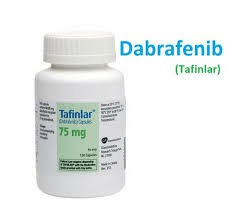
Clinical studies of dabrafenib combined with MEK inhibitors (such as trametinib, Trametinib) in the treatment of melanoma have shown further enhanced efficacy. Combination therapy can inhibit the feedback activation downstream of the MAPK pathway, thereby significantly extending progression-free survival. Clinical data shows that the median PFS of combination therapy can be extended to more than 11 months, and the objective response rate reaches 70%around, overall survival was significantly improved. Compared with single drug treatment, the combination regimen not only improves the efficacy, but also reduces the incidence of single drug-related side effects such as cutaneous squamous cell carcinoma to a certain extent.
Patients should follow a strict efficacy evaluation and monitoring protocol while using dabrafenib to treat melanoma. The evaluation of efficacy mainly relies on imaging examinations (CT or MRI), observation of skin and lymph node conditions, and monitoring of hematological indicators. After initial treatment, the first imaging review is usually performed at 8th to 12th week to evaluate tumor shrinkage and lesion changes. Depending on the efficacy, the doctor may adjust the dose or combine it with other treatments. Long-term follow-up is equally important, as it can detect drug resistance, disease progression or adverse reactions in a timely manner, providing a basis for individualized treatment.
The side effects of dabrafenib in treating melanoma are relatively controllable, but patients still need to pay attention to common adverse reactions, including fever, fatigue, rash, joint pain, and mild gastrointestinal symptoms. Regular monitoring of cardiac function, electrolytes, liver and kidney function and other indicators can help promptly detect and deal with potential risks. If serious side effects occur, the doctor will adjust the dose or take symptomatic treatment measures according to the situation. In general, dabrafenib, as a targeted therapy for BRAF mutation-positive melanoma, can significantly improve the disease control rate and survival of patients. At the same time, through reasonable combination medication and standardized monitoring, its efficacy can be maximized and risks reduced, providing new treatment hope for patients with advanced melanoma.
Reference materials:https://www.drugs.com/
[ 免责声明 ] 本页面内容来自公开渠道(如FDA官网、Drugs官网、原研药厂官网等),仅供持有医疗专业资质的人员用于医学药学研究参考,不构成任何治疗建议或药品推荐。所涉药品可能未在中国大陆获批上市,不适用于中国境内销售和使用。如需治疗,请咨询正规医疗机构。本站不提供药品销售或代购服务。


